
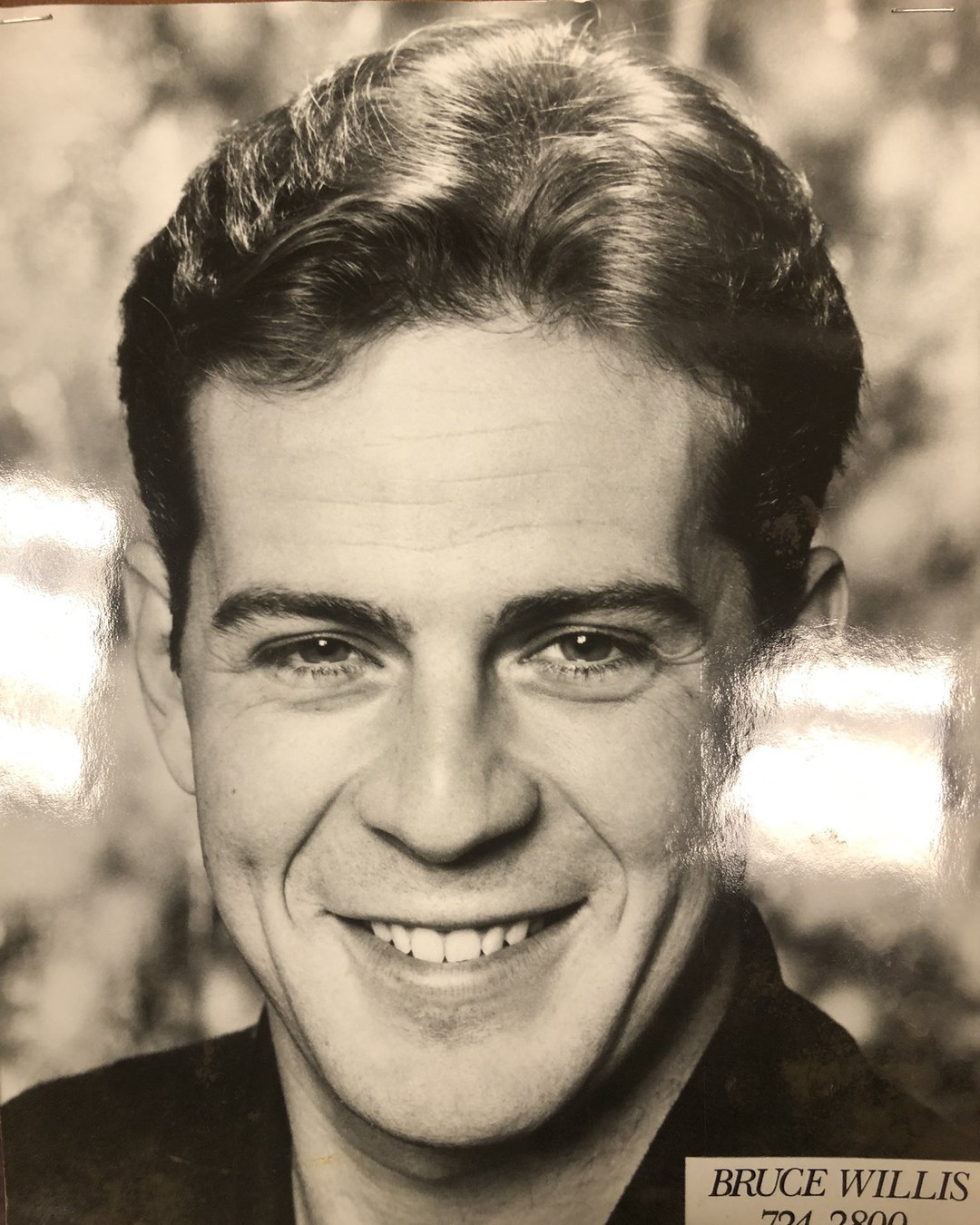
Before the blockbusters and the red carpets, there was a bar in Manhattan where everyone knew his name. In the early 1980s, the Upper West Side of Manhattan was the center of a specific social universe. At the heart of this scene was Cafe Central. This bar functioned as a nightly destination for the elite of the entertainment industry.
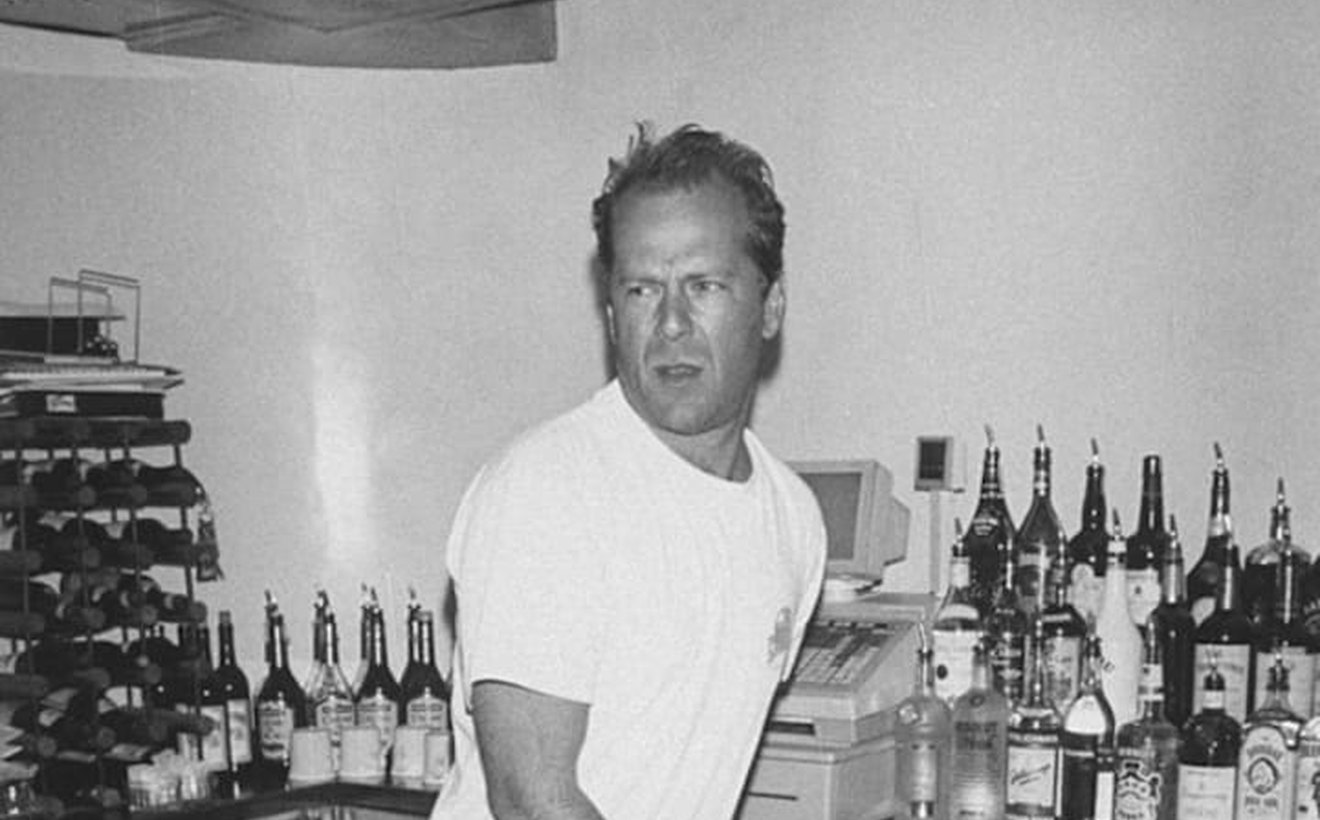
Behind the bar was a young man named Bruce Willis. He was not merely an employee. He was a focal point of the establishment's identity. During this period, the bar served as a vital crossroads for actors, directors, and musicians. The atmosphere was defined by a constant proximity to fame. This created a high-pressure environment for the service staff. For a young performer, this setting provided a unique vantage point to observe the habits of established stars. The nights were long and the work was demanding. The location offered a level of visibility that was rare in the city.
Music and celebrity service
The role of a bartender at Cafe Central required a high degree of social energy. It demanded the ability to manage a room filled with prominent figures. Bruce Willis was known for a specific style of bartending that incorporated musical performance. He frequently played the harmonica while serving guests. This turned the act of making drinks into a form of entertainment. His charismatic approach ensured that he was noticed by the regular clientele.
Among the people he served were Cher and Al Pacino. These figures were staples of the Manhattan social scene at the time. The interactions were part of a nightly routine where the line between service and performance was often blurred. The harmonica playing and the confident engagement with celebrity guests became a signature part of the experience. His presence behind the bar was characterized by an intensity that matched the energy of the city.
Transitioning to the screen
The transition from the bar to the film set was facilitated by the industry professionals who frequented the Upper West Side. Casting directors were regular patrons at Cafe Central. They took note of the bartender who commanded the room with such ease. This visibility was instrumental in his move into acting roles that would define him as an action icon. The charisma and presence he developed while managing a celebrity-filled bar translated directly to the screen.
The skills honed in the service industry became foundational to his later work. This included handling diverse personalities and maintaining a public persona under pressure. Before he was an action icon, Bruce Willis was the most famous bartender in New York City. He served legends while waiting for his break. His time at the bar is a documented period of preparation for a career that reached the highest levels of Hollywood. This era remains a significant part of his public record. It illustrates the path from a Manhattan service job to global recognition.
The legacy of the counter
The early years at Cafe Central established the professional foundation for a career that would eventually define the action genre for a generation. This period in Manhattan remains the essential prologue to the story of a bartender who successfully transitioned into a global icon.