
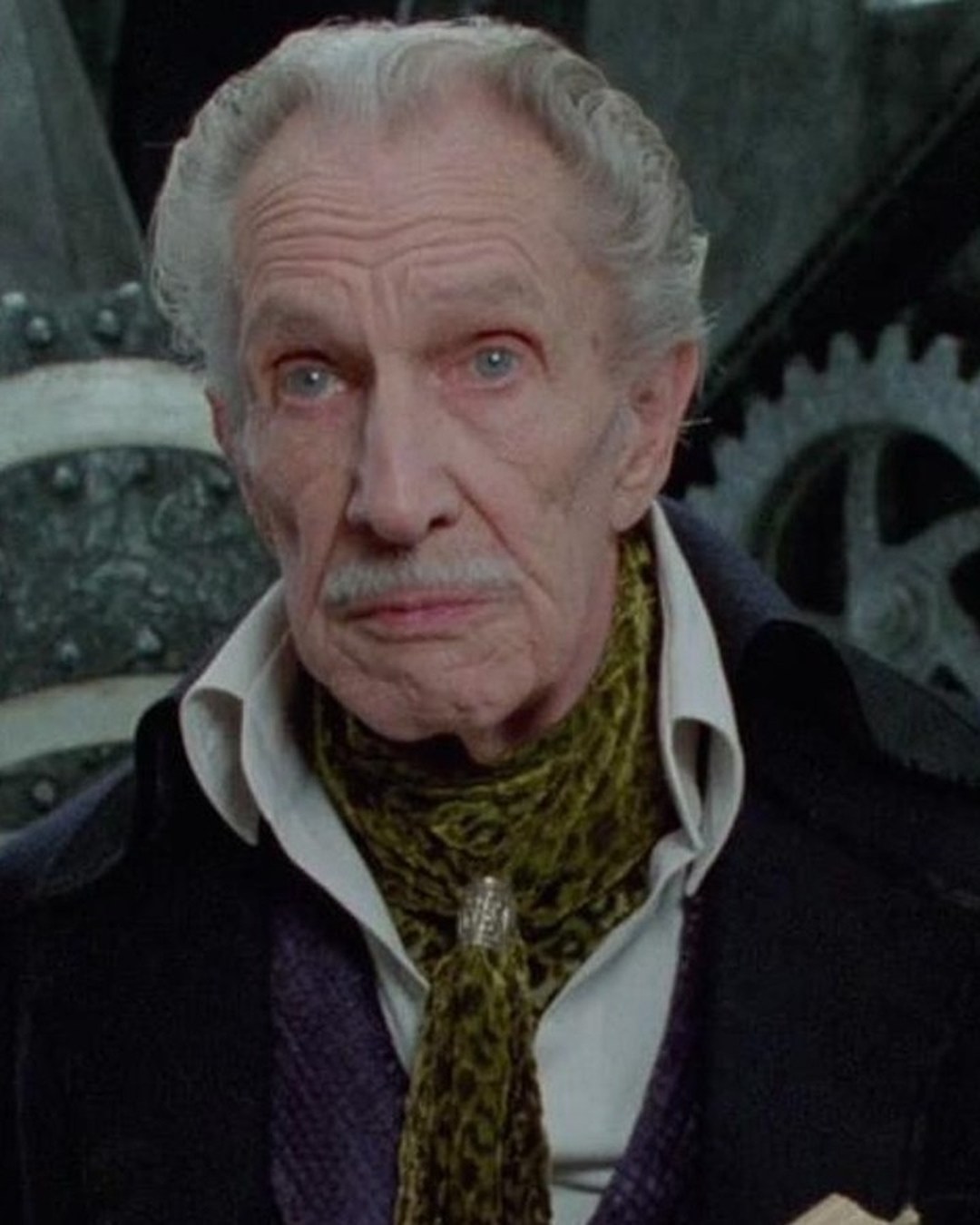
The career of Vincent Price was built on a foundation of theatricality and sophisticated menace. By the late 1980s, the actor had become a symbol of a bygone era of cinema. He was a figure of gothic horror who defined the genre with his unmatched elegance and chilling voice. Price found terror in shadows and vocal delivery rather than explicit imagery. Having spent decades as the face of the genre, Price had largely distanced himself from horror projects during this period of his life.
However, a young filmmaker named Jeff Burr sought to bring the veteran actor back to the screen for a project titled The Offspring. The process of securing Price for the role was not a matter of a simple script offer or a standard negotiation. Burr maintained a schedule of contacting Price’s agent every single day for several months. This level of persistence was unusual even by the standards of independent film production. The director did not accept a lack of interest as a final answer. Instead, the daily calls became a fixture of the agent's routine. Eventually, the sheer volume of communication broke through the professional barriers. Price did not choose the project because of the script's artistic merit. His decision to participate was born from a mixture of exhaustion and a sense of bemusement regarding the director's unwavering dedication.
The clash of styles
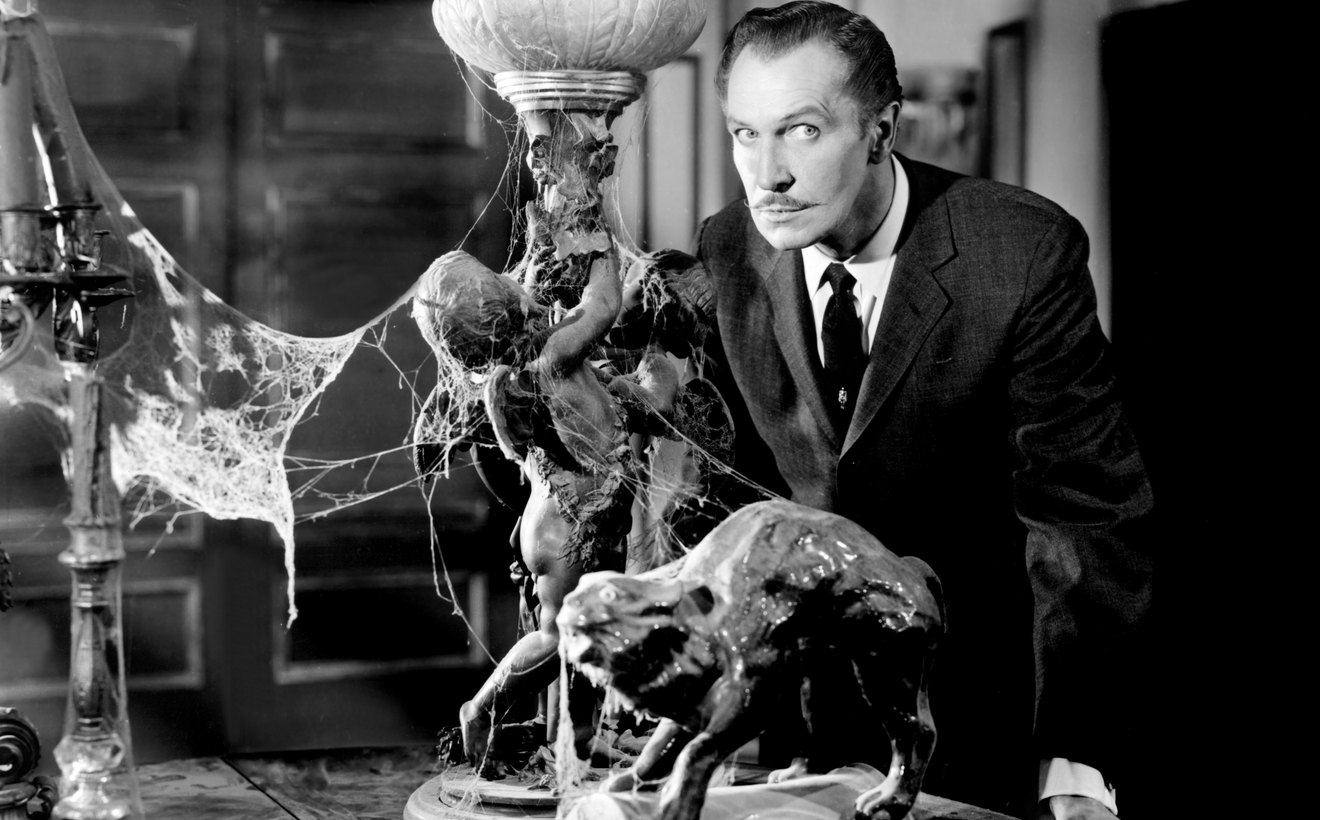
The Offspring represented a significant departure from the polished and atmospheric productions that defined the legacy of Vincent Price. While Price was known for elegant terror, the horror landscape of the late 1980s was increasingly defined by graphic depictions of violence and physical decay. The film was an anthology piece that placed Price in the role of a historian in a small town with a dark past. Despite his presence as the central narrator, the actual content of the film leaned heavily into the visceral trends of the era.
The production involved levels of gore that were far removed from the stylized aesthetics of the earlier work associated with Price. This created a visible tension between the performer and the material. Price brought his signature gravitas and precise vocal delivery to the role, yet the surrounding imagery was characterized by a specific kind of harshness. The film lacked the theatrical artifice that usually allowed Price to thrive as a performer. It was a project that embraced a gritty, low-budget sensibility, which stood in stark contrast to the velvet-lined world of gothic horror where Price was the undisputed master. The resulting work was a collision between the old guard of cinematic performance and the new, more aggressive demands of the horror market.
A public expression of regret
The release of The Offspring did not lead to a professional reconciliation between the actor and the horror genre. Instead, Price took the unusual step of addressing his involvement in the film with a public admission of dissatisfaction. He characterized the project as grubby and expressed a clear distaste for the excessive gore that defined the final cut. For a performer who had always maintained a high level of professional decorum, this public distancing was notable. He offered an apology to his long-standing fan base for the nature of the movie.
This was not a critique of the technical aspects of the filmmaking, but rather a rejection of the tone of the film and its reliance on shock value over atmosphere. Price had spent his life cultivating a persona that balanced the macabre with a sense of fun and intellectual curiosity. He viewed the graphic elements of The Offspring as a violation of that established brand. The apology served as a reaffirmation of his personal standards and a signal that his brief return to horror was not an endorsement of the genre's modern direction. The experience solidified his resolve to remain selective about his roles in his final years, ensuring that his legacy would not be overshadowed by the visceral trends he found so unappealing.
The enduring legacy
The episode serves as a reminder that even the most established icons can be swayed by the sheer persistence of a determined admirer. It remains a singular instance where a master of elegance was forced to confront the changing, often harsher, realities of the medium he helped define.