
A concise Backstory note on the detail that made this cinema moment last.
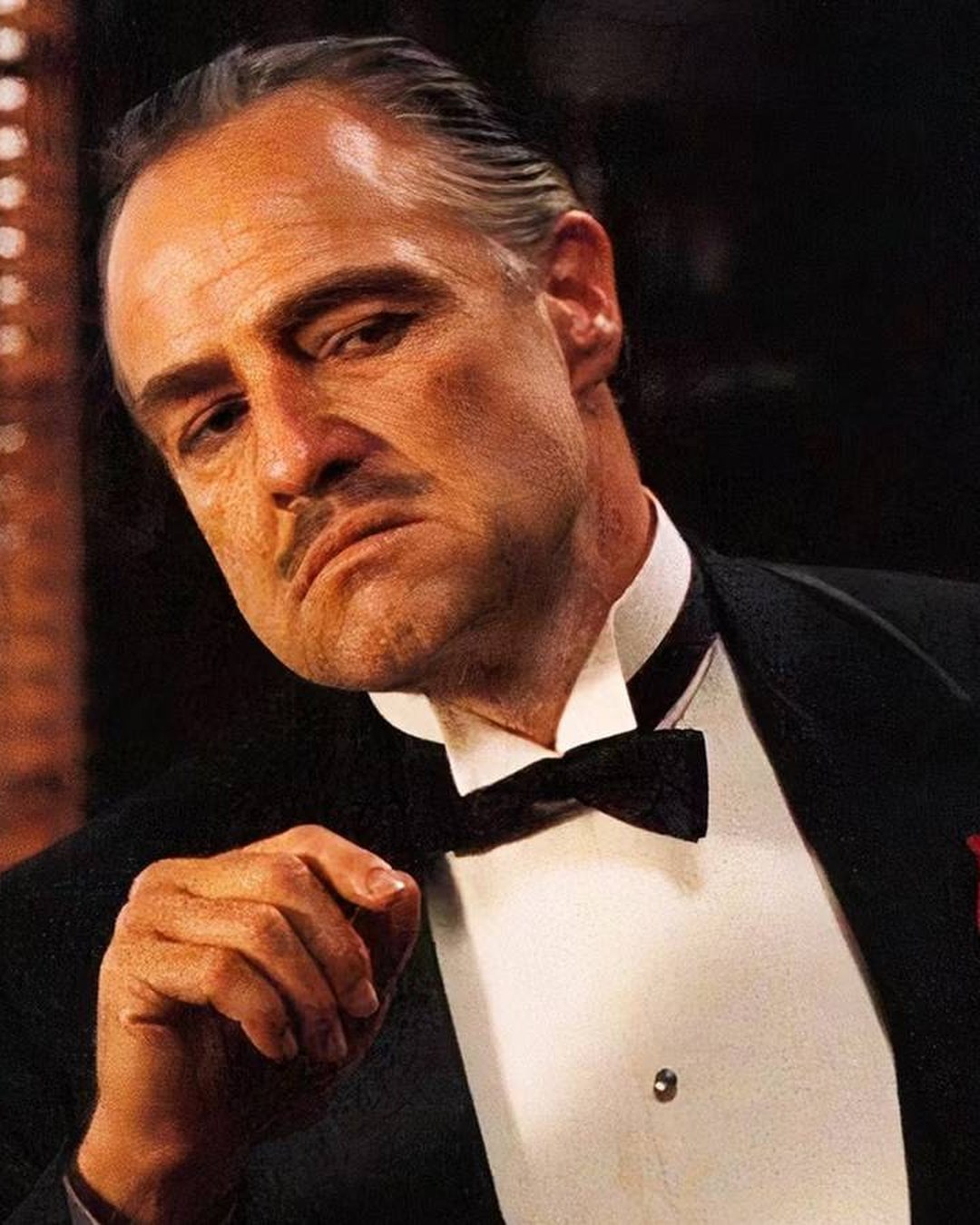
The opening of The Godfather is widely recognized for its atmosphere. It introduces a powerful protagonist. Marlon Brando appears in the shadows. He radiates power in his role as Vito Corleone. The most iconic scene in mafia cinema was shaped by a stray animal that was not in the script. The script for this scene focused on the dialogue between the characters. It detailed the somber atmosphere of the room. It did not contain any instructions regarding an animal. The presence of the cat was the result of a chance encounter on the day of filming. Marlon Brando found a stray cat wandering the Paramount studio lot. He brought it onto the set. He placed the animal in his lap for the duration of the scene.
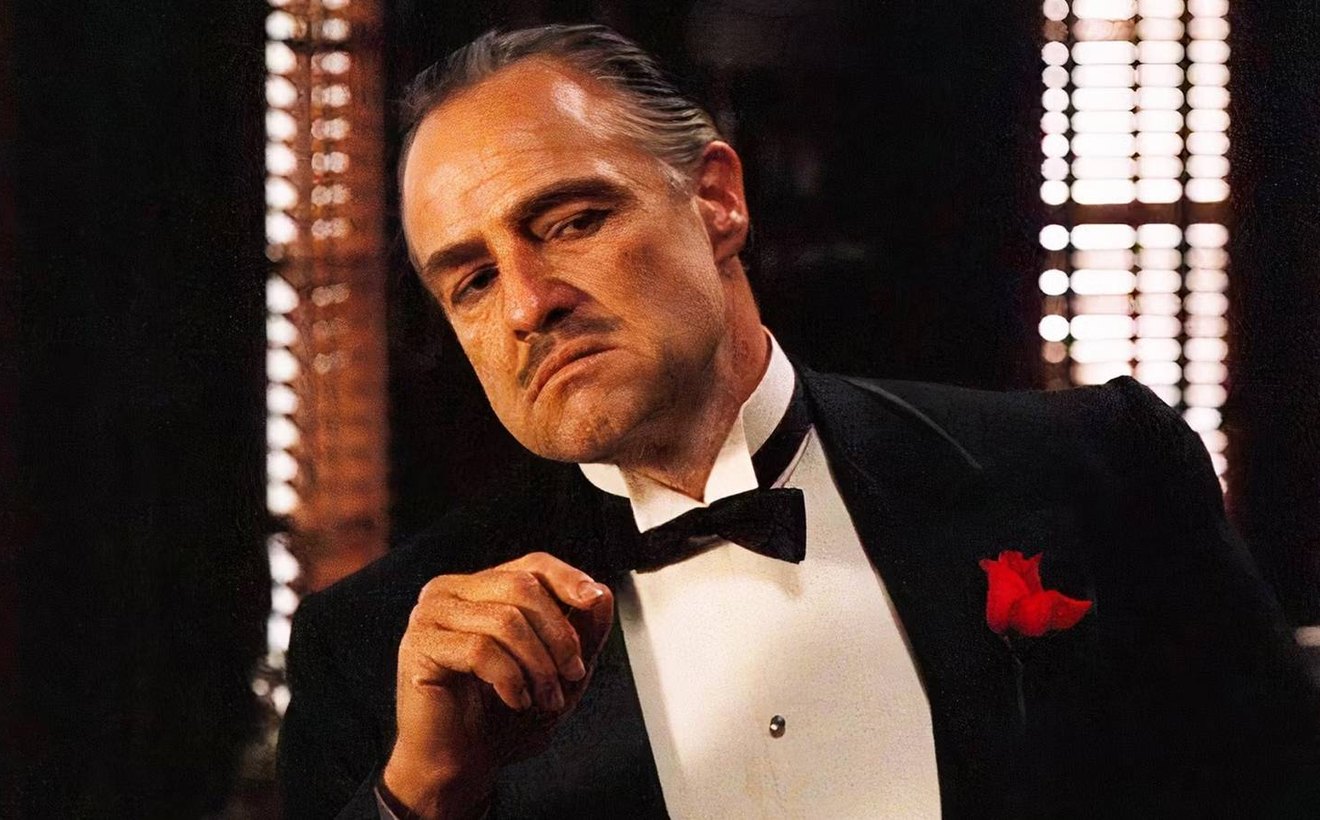
The inclusion of the stray cat changed the dynamic of the visual presentation. As Brando delivers his lines, he strokes the animal. This action provides a physical counterpoint to the weight of the conversation. The cat appears comfortable in the hands of the character. This adds a layer of complexity to the introduction. The script intended to show a powerful man in a position of control. The addition of the animal suggests a capacity for gentleness. This exists alongside his role as a leader in the mafia. This specific detail was not planned by the director or the writers. It became a central feature of the film's most famous introduction.
Technical sound complications
The presence of the cat introduced significant technical challenges. As the cameras rolled, the cat began to purr with considerable volume. This sound was prominent. It muffled the dialogue spoken by Marlon Brando. The microphones on the set were unable to isolate the actor's voice. The continuous noise made by the animal interfered with the recording. This created a situation where the original audio was unsuitable for the final cut. The sound department had to address this interference. They needed to save the visual performance captured on film.
To resolve the audio issues caused by the loud purring, Marlon Brando was required to participate in post-production re-recording. He had to perform his lines again in a controlled studio environment. This ensured that the dialogue was clear for the audience. This process allowed the filmmakers to keep the footage of the cat. It also provided a clean vocal track for the character of Vito Corleone. The necessity of this extra step demonstrates the impact that the unplanned guest had on the logistical side of the production. Despite the added work required to fix the sound, the decision was made to retain the footage. The cat brought a unique quality to the screen.
The power of the image
The visual contrast between the small animal and the imposing figure of the mafia boss has been noted by observers for decades. The cat provides a sense of domesticity. This stands in opposition to the dark nature of the business being discussed. The animal serves as a visual anchor. It draws attention to the center of the frame. The way the animal reacts to Brando's touch gives the scene a sense of realism. This might have been absent if the actor had simply sat at his desk. This accident of production highlights the role that spontaneity plays in the creation of cinema. A stray animal found on a studio lot ended up influencing the way a famous character is perceived.
A lasting cinematic imprint
This moment leaves behind a definitive example of how unscripted elements can elevate the visual language of a film. It remains a reminder that the most memorable aspects of cinema often arise from the intersection of preparation and chance.