
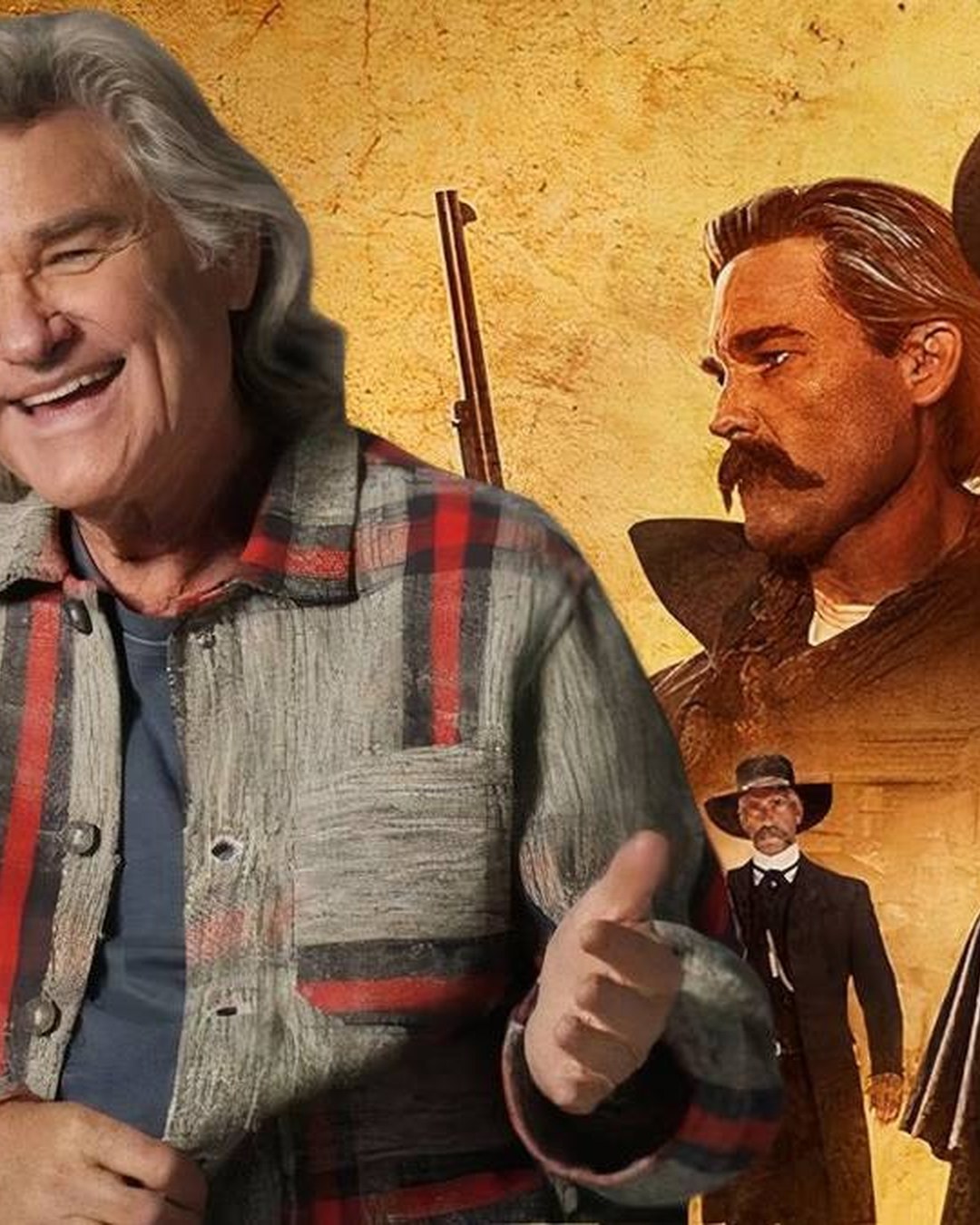
During the spring of 1993 the production of Tombstone faced a looming shutdown. Budget overruns and a tight shooting schedule threatened to halt the Western before a single gun was fired. With the director under pressure and the crew uncertain, Kurt Russell arrived on set not merely as the lead actor but as an unofficial overseer. Drawing on years of experience in action and adventure films, he began to assess the flow of scenes, noting where lighting setups stalled and where dialogue rehearsals ran long. His presence steadied the cast, and his willingness to pause takes for technical adjustments kept the daily call sheets on track. By the end of the first week the production had regained momentum, and the looming collapse was averted.
Behind the set
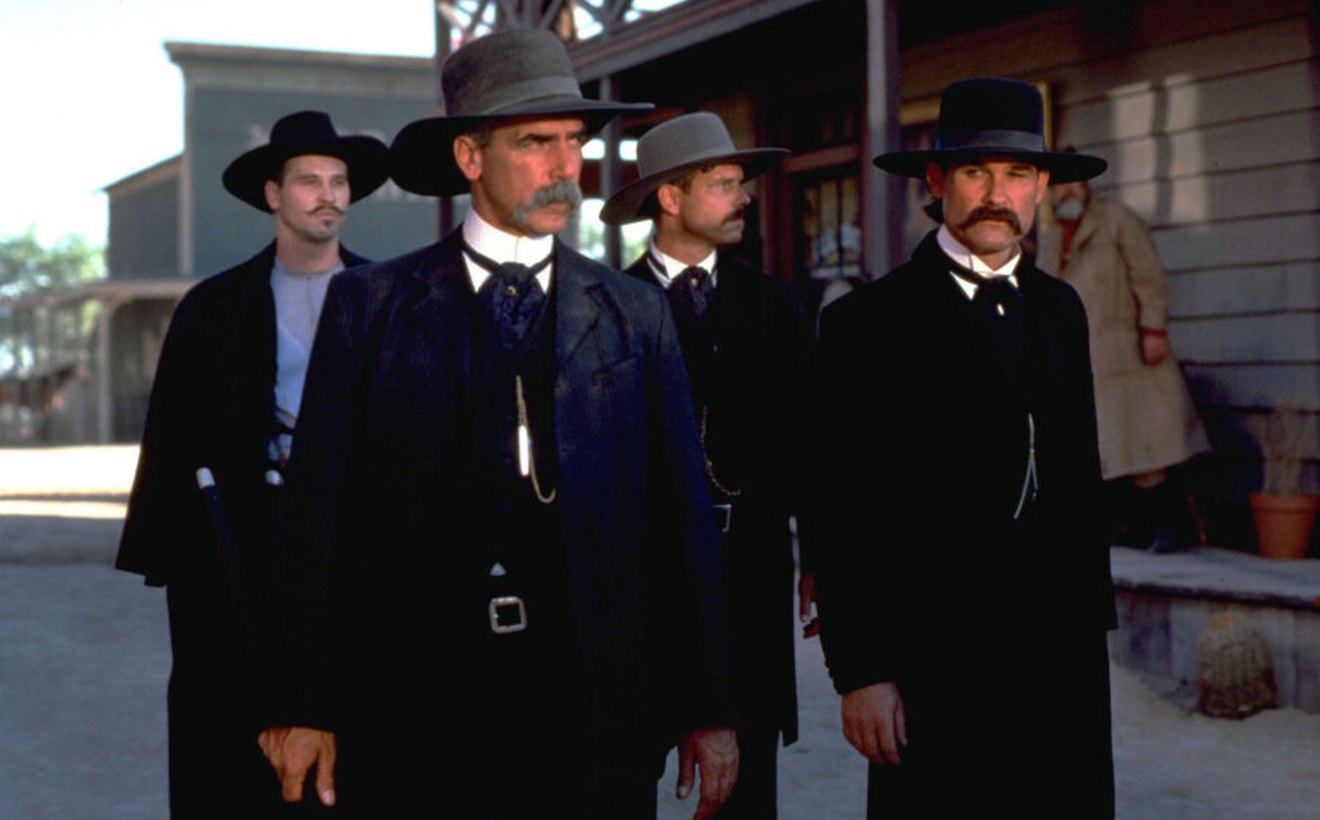
Russell's influence extended beyond morale. He moved between the camera and the actors, offering practical notes on blocking that aligned with the film's gritty aesthetic. When a horse‑laden chase sequence stalled due to terrain concerns, he suggested a repositioning of the camera that preserved the visual intensity while reducing the need for costly reshoots. The cinematographer incorporated his suggestions, and the scene was captured in half the originally planned time. In moments of tension between Val Kilmer and Sam Elliott, Russell stepped in to remind them of the rhythm of their characters, allowing the director to focus on framing rather than mediating. His hands‑on approach also helped the art department prioritize set dressing that reinforced the period feel without inflating the budget. The cumulative effect was a smoother workflow that kept the production within its financial limits.
Lasting impact
The rescue left Tombstone with a tighter, more cohesive visual style that continues to influence modern Westerns. It also cemented Russell's reputation as a behind‑the‑scenes problem solver in Hollywood.