
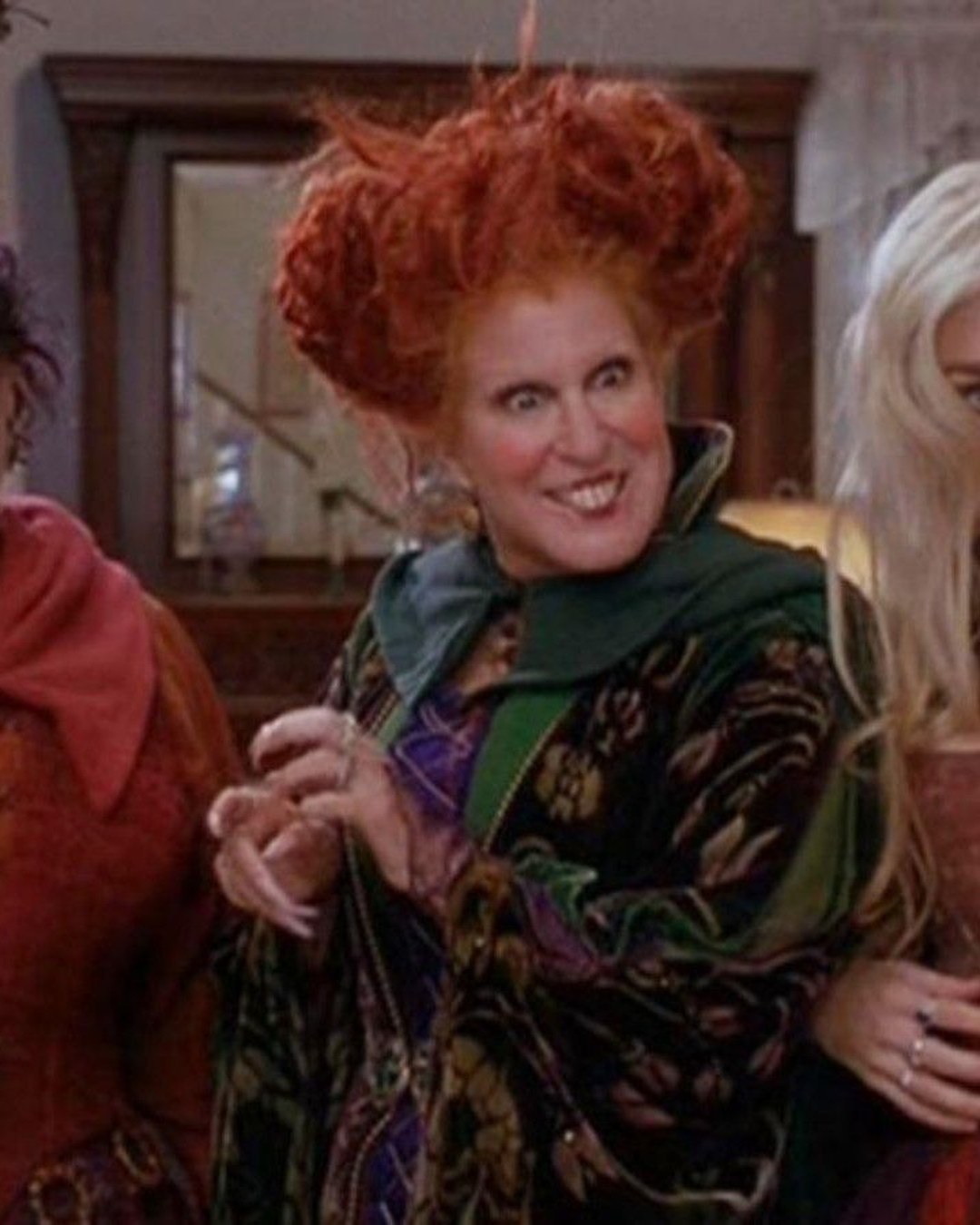
Hocus Pocus arrived in American cinemas on July 16, 1993. This date placed a film centered on the holiday of Halloween in the middle of the summer blockbuster season. The film is set in Salem, Massachusetts, and features a narrative built entirely around the traditions and aesthetics of October 31. Releasing a supernatural comedy about the return of seventeenth-century witches during the peak of July heat created a disconnect with the movie-going public. Audiences in 1993 were focused on traditional summer fare rather than seasonal ghost stories. This scheduling choice proved to be a significant tactical error for the studio. The film struggled to find its footing against major summer releases that were more aligned with the seasonal mood.
The story follows three witches known as the Sanderson sisters. Bette Midler, Sarah Jessica Parker, and Kathy Najimy played these central characters. Bette Midler was already a celebrated performer known for her comedic timing and musical ability. Sarah Jessica Parker and Kathy Najimy brought distinct energy to the trio of sisters. Despite the presence of these established performers, the film did not achieve immediate success. The mismatch between the content of the film and its release window remains a primary explanation for its initial performance. It is now regarded as a bizarre scheduling mistake that defined the early history of the production.
The financial impact of failure
The financial results for the film were poor during its initial theatrical run. Disney lost approximately $16 on the project during this period. While this figure represents the immediate deficit, the broader impact was the perception of the film as a massive flop. Critics and industry analysts at the time did not foresee the film becoming a staple of the holiday genre. The Sanderson sisters were not yet the household names they are today. Bette Midler portrayed Winifred Sanderson, the leader of the group. Kathy Najimy played Mary Sanderson, and Sarah Jessica Parker played Sarah Sanderson. Their performances were part of a production that failed to capture a significant audience during its first weeks in theaters.
The film relied on practical effects and elaborate costumes to bring these characters to life. The production design captured a specific version of Salem that would later become iconic to fans of the genre. However, in 1993, these elements were not enough to overcome the timing of the release. The box office disaster threatened to relegate the film to obscurity. It appeared that the story of the Sanderson sisters would end with its unsuccessful theatrical run. The film did not fit the mold of a standard Disney production of the era. It was darker than many contemporary family films while remaining aimed at a younger audience. This tonal balance was difficult to market during the summer months.
Television and the cult revival
The transition from a box office disaster to a cultural phenomenon occurred over several years. This shift was driven by two primary factors: home video sales and television broadcasts. Following its departure from cinemas, the film was released on physical media. This allowed families to watch the movie during the actual Halloween season for the first time. The annual broadcasts on the Disney Channel played a crucial role in this revival. By airing the film every October, the network established a ritual for a new generation of viewers. The Sanderson sisters became a recurring presence in households across the country, turning a forgotten title into a seasonal tradition.
Bette Midler, Sarah Jessica Parker, and Kathy Najimy saw their performances gain a second life through these repeat viewings. The film eventually became a cornerstone of the Halloween season. The characters of Winifred, Sarah, and Mary Sanderson entered the cultural fabric. Their costumes, lines, and distinct personalities became recognizable symbols of the holiday. The status of the film as a cult classic was solidified by this consistent exposure. What was once a forgotten summer release transformed into a mandatory October viewing experience. The longevity of the film is attributed to this slow accumulation of fans who discovered it long after its theatrical debut. The initial failure was eventually overshadowed as the film became synonymous with October.
The legacy of the sisters
The enduring popularity of the Sanderson sisters demonstrates how television and home media can salvage a misunderstood theatrical release. This 1993 mistake serves as a permanent case study in the importance of seasonal timing within the film industry.