

Alfonso Cuarón directed Children of Men with a focus on immersive cinematography that prioritized long, uninterrupted shots. The film depicts a bleak future where humanity faces extinction due to a total lack of new births. One specific sequence stands out as a pinnacle of this approach. This scene involves a harrowing journey through a chaotic war zone during the final portion of the movie. It is a six-minute single take that required an immense amount of preparation from the entire production team. The complexity of the choreography meant that any small error could ruin the entire effort and force a complete restart of the day's filming.
The production spent several weeks planning every movement within the frame to ensure the choreography was perfect. Every explosion, every bullet hit, and every background actor had a specific cue to hit at the exact right moment. The sequence required absolute coordination between the camera operators, the pyrotechnics team, and the lead actors. The goal was to create a seamless experience that did not break the immersion for the viewer. Cuarón utilized specialized camera rigs to move through tight spaces, around corners, and across piles of debris. The pressure on the crew was significant because of the time and resources invested in the setup.
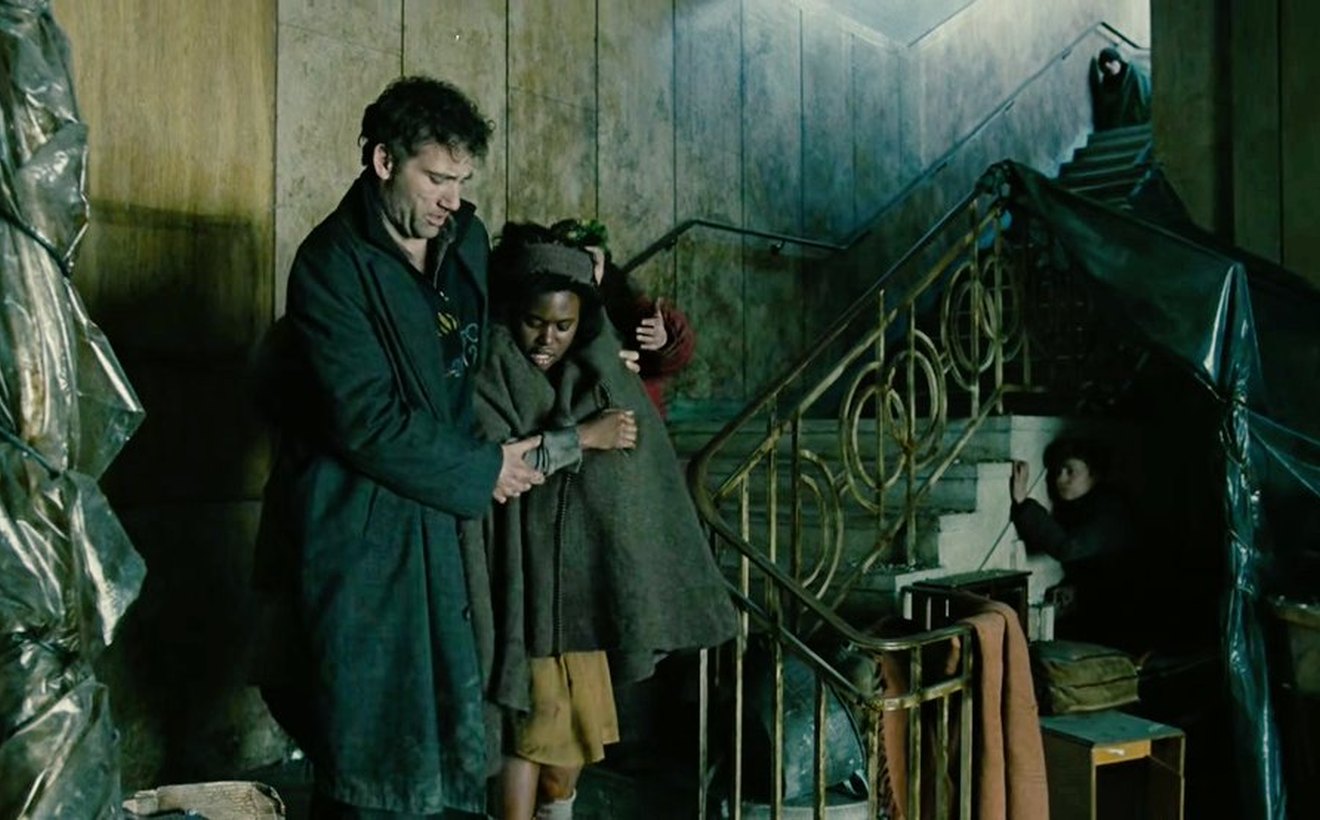
The error during filming
During the filming of this climactic sequence, a technical disaster occurred that initially seemed to ruin the entire take. As the camera followed the protagonist through a bus and into a building under fire, liquid used to simulate blood splattered onto the camera lens. This was not an intended part of the cinematography or the visual effects plan. The red droplets partially obscured the view of the lens, creating a physical barrier between the camera and the action. In a traditional production environment, a foreign substance on the lens is usually grounds for an immediate stop to clean the equipment and reset the scene.
Alfonso Cuarón recognized the issue and yelled the instruction to stop the filming. However, the environment on the set was incredibly loud due to the nature of the scene. The sounds of simulated combat, including explosions and shouting, drowned out the voice of the director. The distance between the director and the camera crew further prevented the message from being received by those operating the equipment. The crew did not hear the command to stop. The actors continued their performances without hesitation, and the camera operator maintained the movement as rehearsed. Because they did not hear the instruction, the crew and actors finished the take as originally planned.
The impact of the mistake
The resulting footage contained a visual element that disrupted the clean look of a standard motion picture. The blood on the lens served as a physical reminder of the presence of the camera within the chaotic environment. It transformed the perspective from a detached observer to a participant in the conflict. When the footage was reviewed later, the decision was made to keep the take in the final edit of Children of Men. The technical error provided a level of grit and authenticity that could not be easily replicated through intentional means. It added a layer of accidental realism that aligned with the film's bleak tone.
The mistake eventually became the most famous aspect of the film's technical achievement. It highlighted the unpredictability of location shooting and the benefits of maintaining momentum during a performance even when things go wrong. The sequence is now studied for how it balances meticulous planning with the acceptance of chance. The presence of the blood on the lens is often cited as the moment the film transitions from a choreographed stunt to a documentary-style record of a fictional war. This technical disaster provided the film with its most iconic moment of realism.
The final legacy
The accidental blood spatter remains the defining image of the film's commitment to immersive storytelling. This moment demonstrates how a technical failure can elevate a work of fiction into a landmark of cinematic realism.