
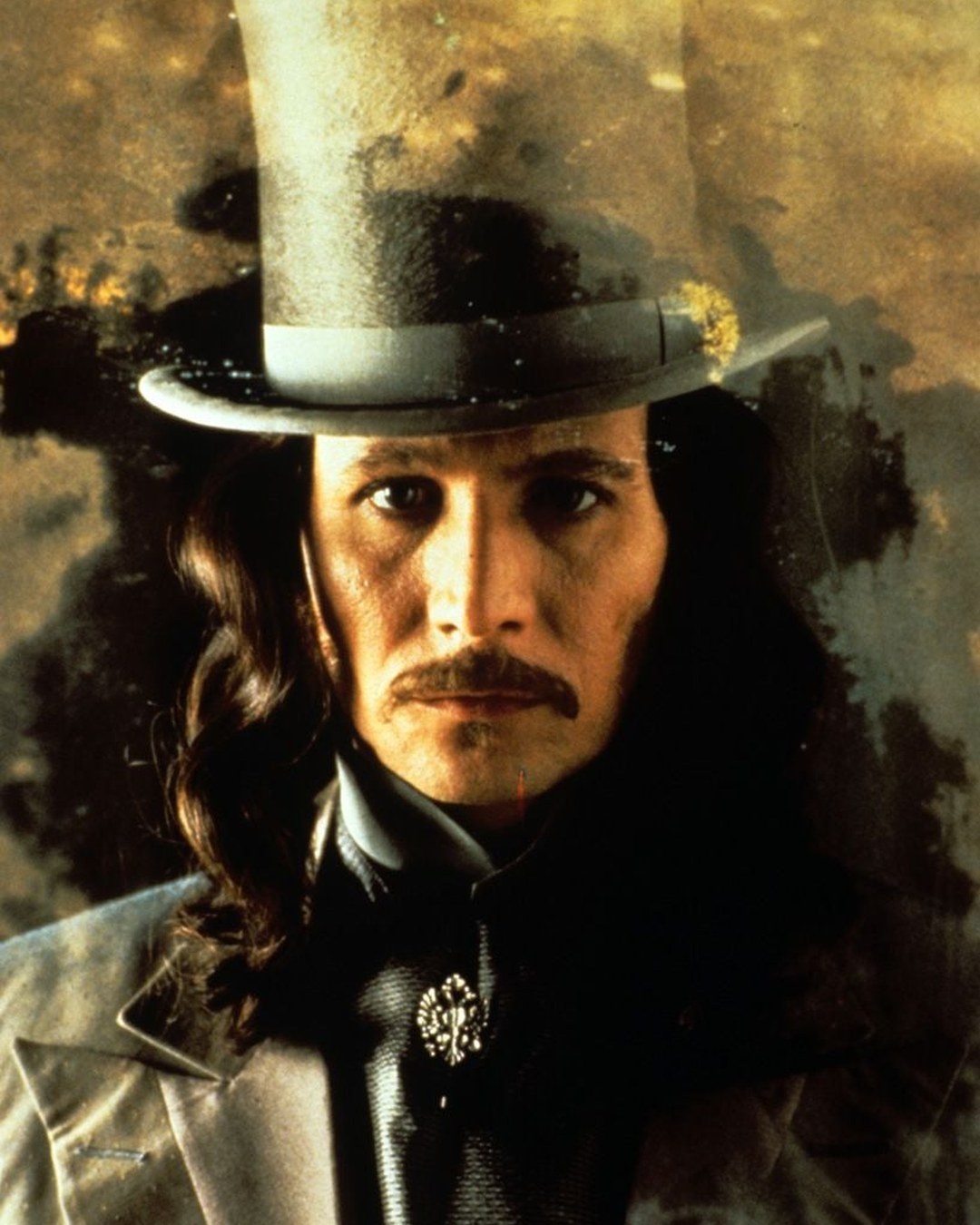
Bram Stoker's Dracula arrived in 1992 under the direction of Francis Ford Coppola, bringing together a cast that would become iconic in horror cinema. Gary Oldman assumed the role of the eponymous vampire, delivering a performance that combined aristocratic poise with feral menace, while Winona Ryder portrayed Mina Harker, the central figure of innocence and curiosity. The production assembled a team of seasoned artists, each tasked with translating Stoker’s Victorian gothic vision to a modern screen, and the film’s visual style emphasized lavish costumes and saturated lighting that highlighted the story’s sensual undercurrents.
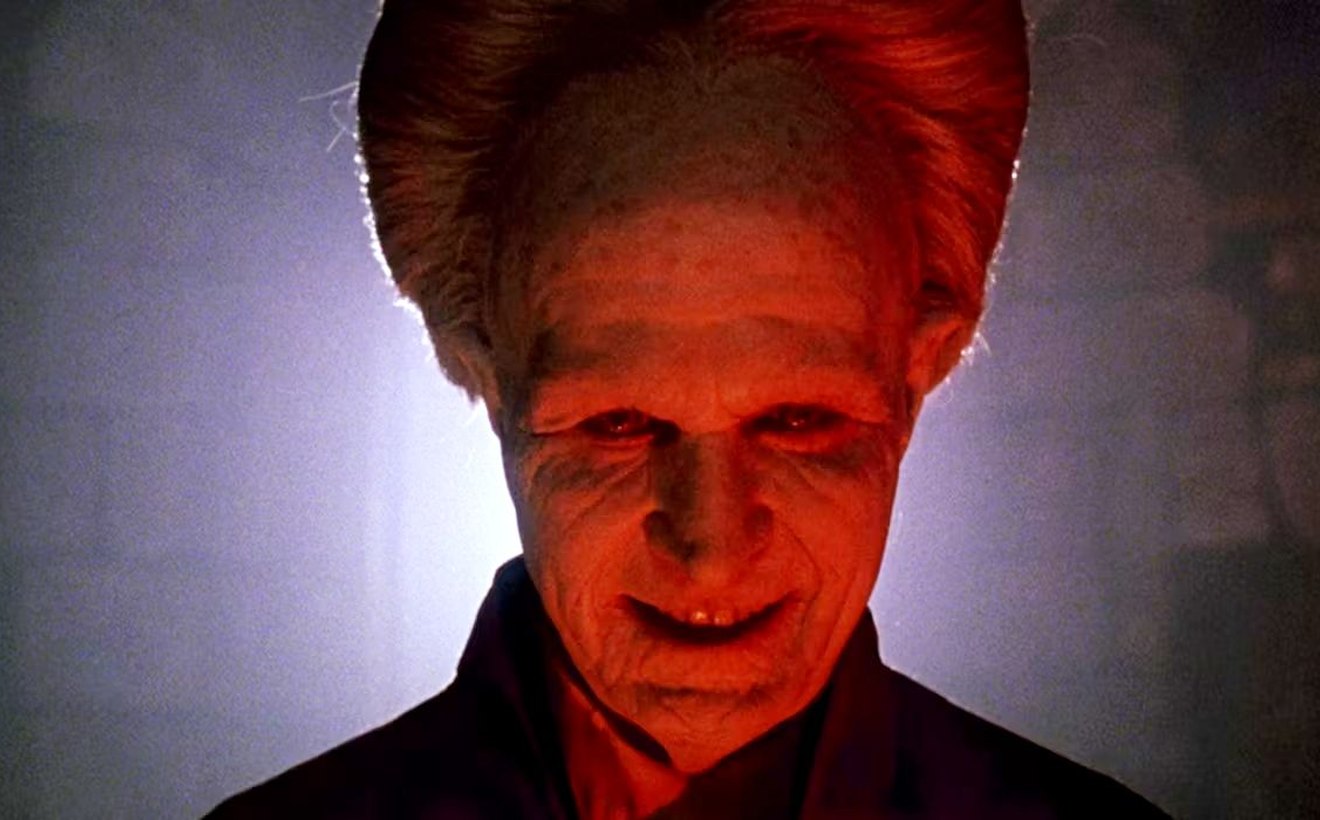
Oldman's transformation into Dracula involved extensive makeup, prosthetics, and a disciplined physical regimen that allowed him to inhabit the creature’s predatory grace. The actor’s dedication to the role is evident in the fluidity of his movements and the intensity of his stare, which have become reference points for later portrayals of the count. The film’s aesthetic, marked by rich colour palettes and elaborate set pieces, reinforced the narrative’s blend of romance and terror, cementing the 1992 version as a touchstone for gothic adaptations.
Coppola’s provocation
Francis Coppola employed verbal provocation as a directorial technique, deliberately issuing sharp comments to draw heightened emotional responses from his performers. This method created an atmosphere described as icy, where tension simmered beneath the surface of rehearsals and takes. By challenging actors in real time, Coppola aimed to capture raw, unfiltered reactions that would translate into on‑screen intensity, a strategy that aligned with his broader reputation for demanding creative control.
Within this charged environment, Gary Oldman and Winona Ryder found common ground, aligning themselves against the director’s abrasive approach. Their collaboration extended beyond the script, forming a supportive partnership that mitigated the stress of Coppola’s provocations. The tension that unfolded on set was not rooted in personal ego clashes between Oldman and Coppola; rather, it centered on the director’s treatment of Ryder, prompting both actors to push back collectively.
The fallout
The visible friction between Oldman and Coppola manifested in tense exchanges during filming, with the actor’s body language often reflecting restrained anger. This dynamic contributed to a heightened energy on set, influencing the pacing of scenes and the intensity of character interactions. While the production continued under Coppola’s authority, the underlying discord left an imprint on the collaborative process, shaping the final cut in subtle ways that attentive viewers can discern in the film’s charged moments.
In retrospect, the episode has entered industry lore as a case study of how directorial methods can clash with actor autonomy. The feud is remembered not for personal animosity but for the solidarity it sparked between Oldman and Ryder, highlighting the impact of a director’s conduct on cast morale. Discussions of the film now often reference this behind‑the‑scenes tension as an integral part of its legacy.
Legacy of the feud
The 1992 production remains a study in how artistic pressure can shape performance. Its echo persists in discussions of directorial power and actor solidarity.