
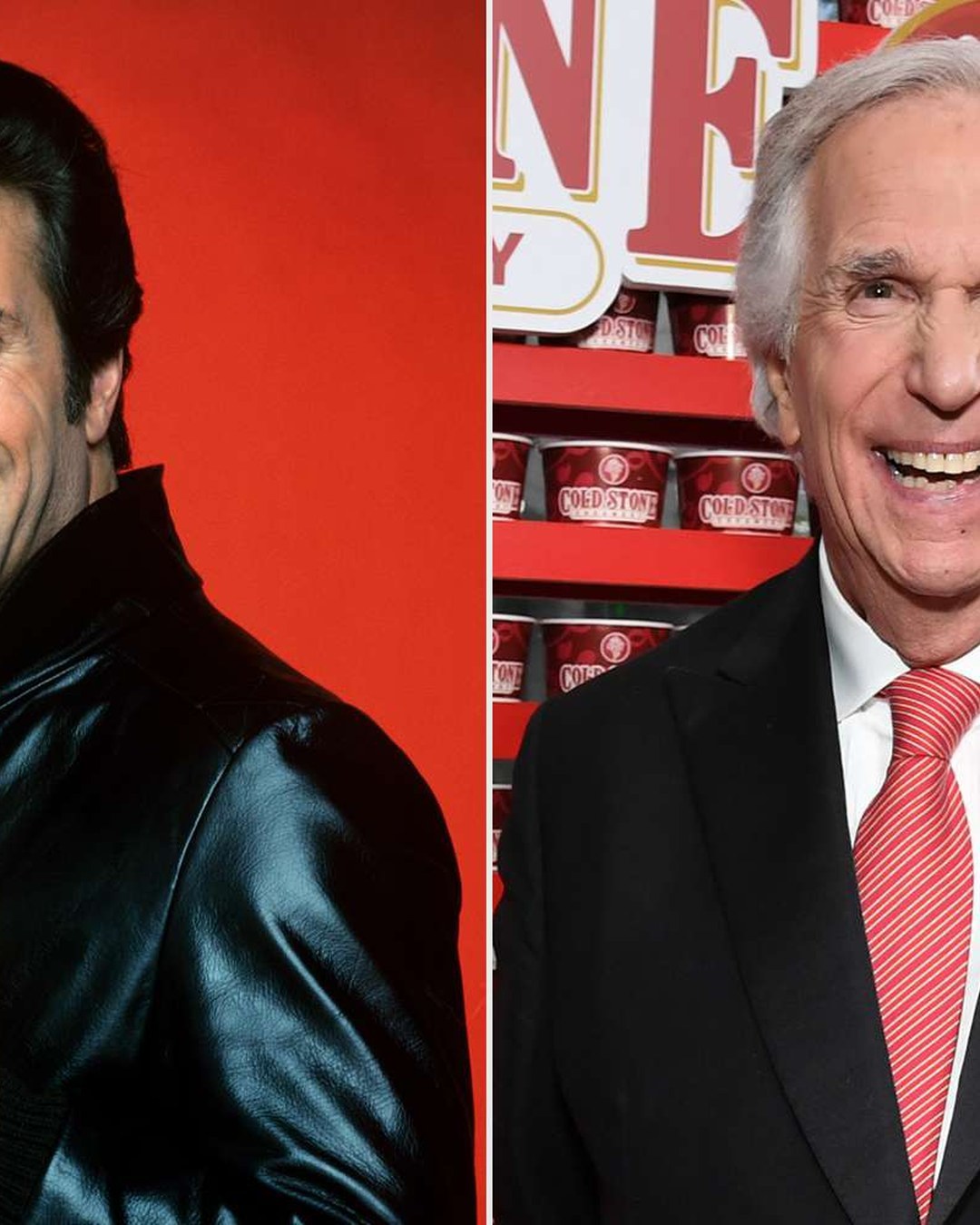
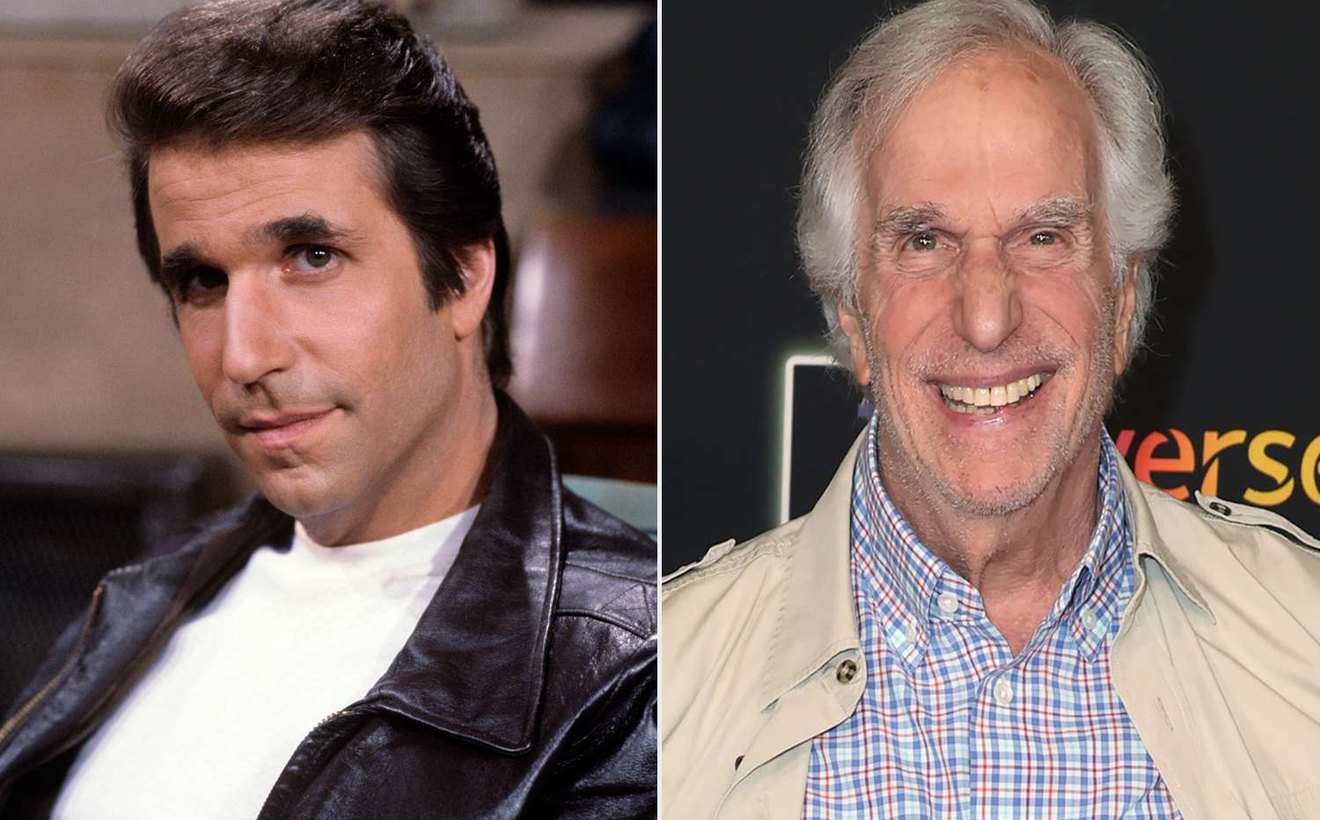
Happy Days occupied a central place in the American cultural consciousness during its original run. The show presented a specific version of the 1950s, characterized by diners, jukeboxes, and a sense of community. At the heart of this world was Arthur Fonzarelli, a character who became a symbol of mid-century cool. Henry Winkler played this role with a precision that turned the Fonz into a global phenomenon. The character was known for his leather jacket and his signature thumb gesture. However, the environment at Paramount Studios where the show was filmed did not reflect this level of polish.
While the series dominated the television ratings, the physical conditions on the set were far from ideal. Winkler has recently shared details regarding the poor state of the production environment during the show's peak years. The most successful show on television forced its iconic stars into a surprisingly unglamorous and messy reality behind the scenes. This disparity between the public image and the private workspace defines the history of the production. The studio lot hosted one of the most profitable enterprises in the industry, yet the basic infrastructure remained surprisingly primitive and unkempt throughout the height of the show's popularity.
Infrastructure and the live audience
The production utilized a live audience format to capture the energy of a stage play. This required Paramount Studios to accommodate hundreds of visitors every week in addition to the regular cast and crew. Despite the enormous revenue generated by the show, the infrastructure on the lot was not updated to meet these demands. The facilities were notably inadequate for the scale of the operation. There was a significant lack of proper amenities for the actors who spent long hours on the set. The conditions for the live audience were similarly lacking in basic comfort and cleanliness, creating a difficult environment for everyone involved.
This created a logistical challenge that persisted throughout the most popular seasons of the series. The physical space was crowded and lacked the hygiene standards one might expect from a premier Hollywood studio. The messiness of the environment was a constant factor for the performers who had to maintain their professional appearance regardless of their surroundings. The struggle to maintain a high-quality production in a substandard facility was a daily reality for the entire cast. The lack of investment in the physical plant of the studio stood in direct contrast to the show's massive financial performance and cultural reach.
The reality of the workspace
The unglamorous nature of the set stood in direct opposition to the cool persona of the Fonz. While the character was the epitome of composure, the actor was navigating a workplace that lacked basic facilities. Winkler has described the situation as a notable aspect of his time on the show. The lack of adequate plumbing and private spaces meant that the stars of the number one show in the country were often subjected to conditions that would be considered unacceptable on modern sets. The mess associated with the lack of facilities created an atmosphere that was anything but cool for the people working inside the studio walls.
The cast had to navigate these obstacles while delivering the performances that made the show a hit. The success of the program did not result in immediate improvements to the working environment at Paramount. Instead, the production continued to operate within these limitations for years. The reality of the situation remained hidden from the public, who only saw the bright colors and cheerful faces of the characters. The discrepancy between the on-screen perfection and the off-screen mess remains a significant chapter in the history of the series. This reality serves as a reminder of the physical labor and difficult conditions involved in television production.
The enduring television history
The revelations regarding the set conditions provide a new perspective on the production of this classic sitcom. These details highlight the physical challenges faced by performers during the golden age of the multi-camera comedy format.