
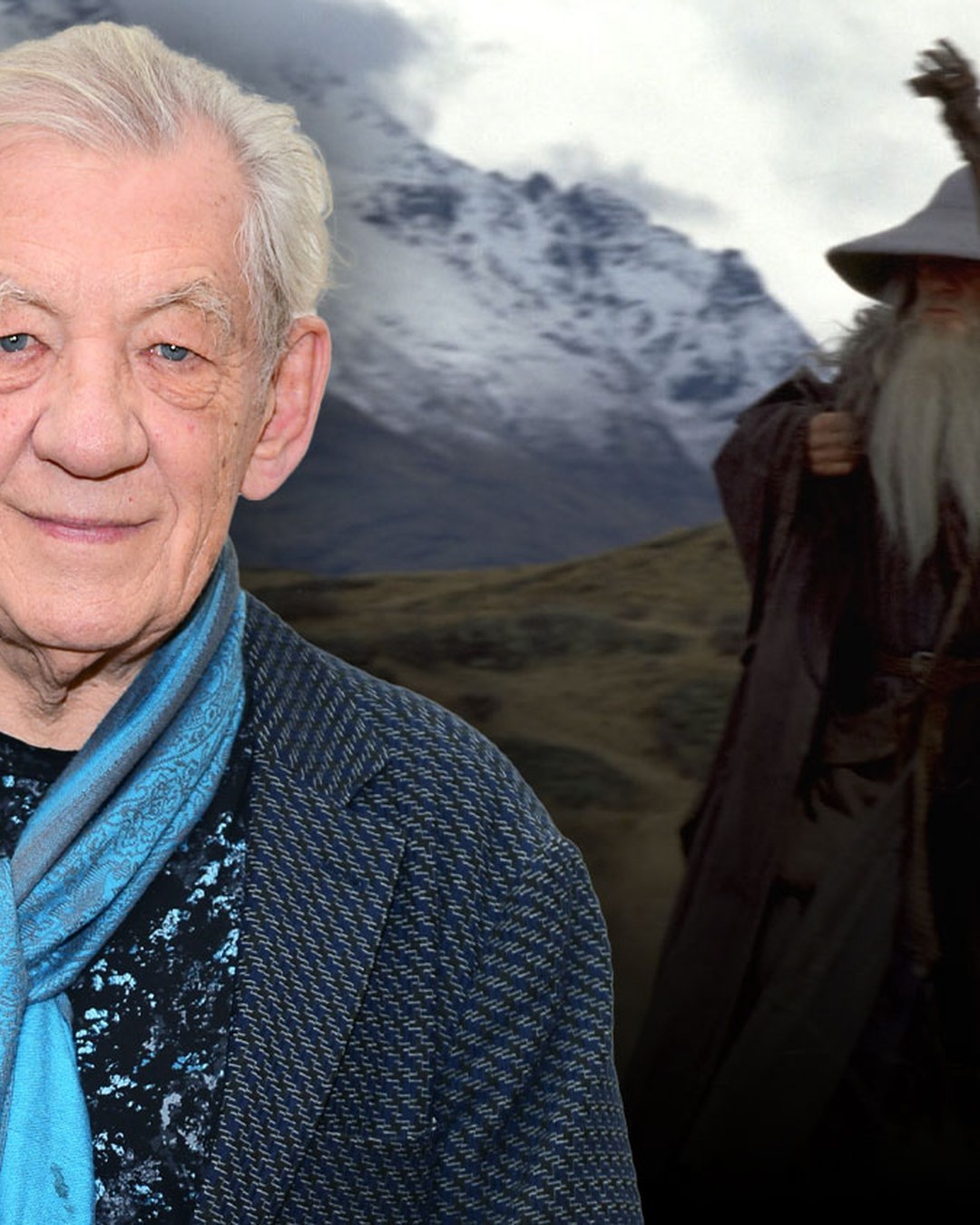
In the spring of 1999 the British stage veteran Ian McKellen found his calendar unusually crowded. A call from the producers of the upcoming Mission: Impossible sequel arrived alongside an invitation to audition for a wizard in a high‑budget adaptation of J.R.R. Tolkien’s The Lord of the Rings.
The espionage film, later titled Mission: Impossible II, promised a sizeable paycheck and a guaranteed global release. McKellen was approached to portray the primary antagonist, a role that would have placed him opposite Tom Cruise in a franchise already cemented as a box‑office juggernaut. At the same time, Peter Jackson’s team was assembling a cast for a project that would demand months of location shooting in New Zealand and a commitment to a sprawling mythic narrative.
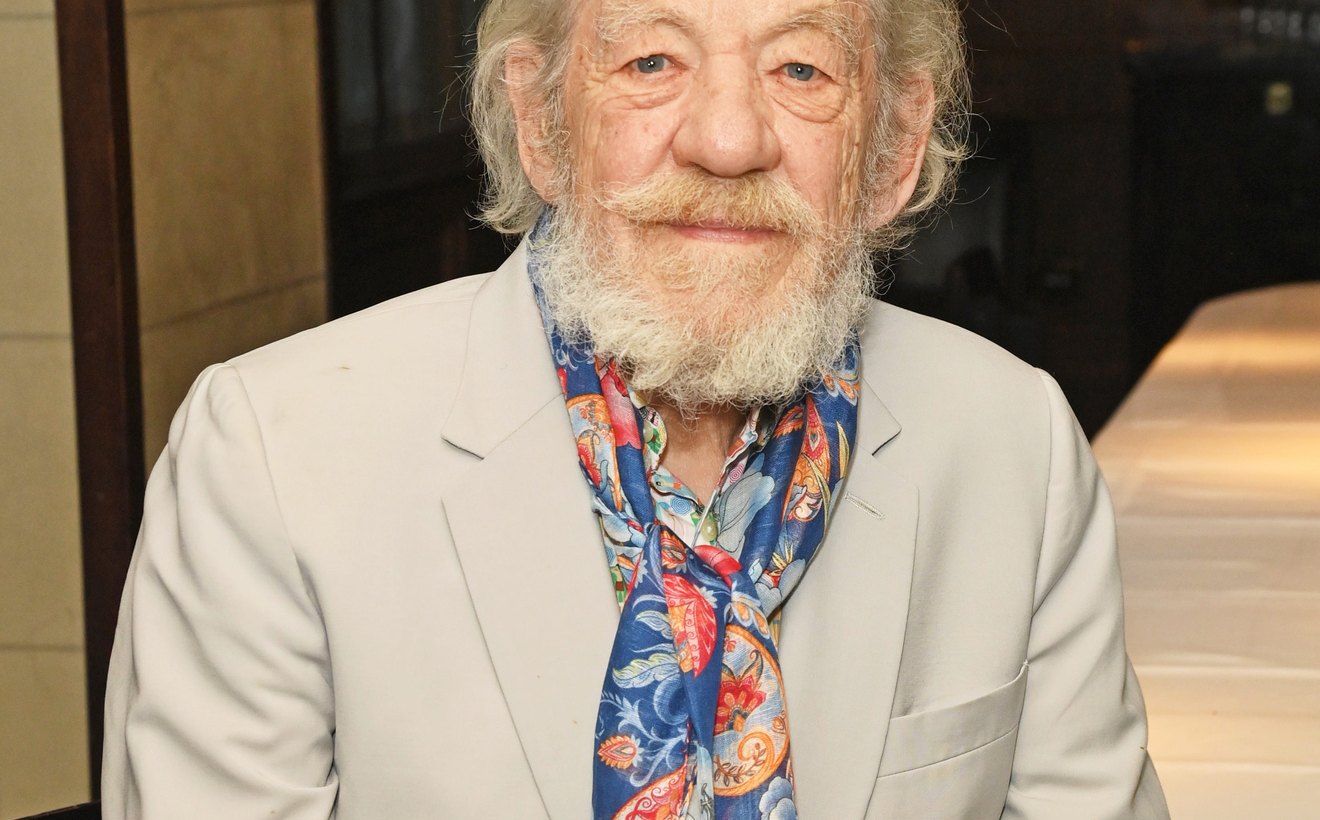
At the time McKellen was already celebrated for his work on stage and screen, having earned a reputation for transformative performances in both classical theatre and contemporary cinema. His recent film credits included a supporting turn in a period drama and a cameo in a blockbuster superhero sequel, demonstrating his versatility and box‑office appeal.
Mission: Impossible II, directed by John Woo, was slated to continue the high‑octane formula established by its predecessor. The villain role required a charismatic antagonist capable of matching Cruise’s energy, a profile that made McKellen an attractive candidate.
Choosing fantasy over espionage
Negotiations for the spy part stalled when the producers declined to share the script before a contract was signed. The refusal left McKellen without a clear sense of the character’s tone or the film’s direction, a rare omission in an industry where scripts are routinely circulated for high‑profile talent.
The secret script policy was not unusual for high‑budget action franchises, where plot twists and character reveals are guarded zealously. However, for an actor of McKellen’s stature, the lack of any narrative context was a notable deviation from standard practice.
Faced with that opacity, the actor weighed the certainty of a blockbuster against the creative gamble of a fantasy epic still in pre‑production. The Tolkien adaptation, though financially unproven, offered a fully developed script, a distinguished director, and a cast of seasoned actors. McKellen’s own public persona—renowned for Shakespearean gravitas and a willingness to explore larger‑than‑life roles—aligned with the demands of a wizard whose presence would anchor an entire mythology.
The Tolkien script emphasized the wizard’s dual nature as both a wise elder and a fierce combatant. Detailed scene breakdowns showed Gandalf confronting the Balrog, rallying the Fellowship, and delivering the line that would later become a cultural touchstone. Ultimately McKellen signed on to become Gandalf, a decision that required him to decline the Mission: Impossible role. The choice carried risk: the fantasy project depended on securing financing, convincing studios of its marketability, and completing a massive visual effects pipeline. Yet the actor’s commitment signaled confidence in a story that would soon redefine the fantasy genre on screen.
Legacy of the gamble
McKellen’s selection of Gandalf over a spy villain ensured that the most iconic wizard in cinema history appeared exactly as imagined by Tolkien fans. The moment left a lasting reminder that a single scheduling decision can shape the cultural landscape of an entire genre.