
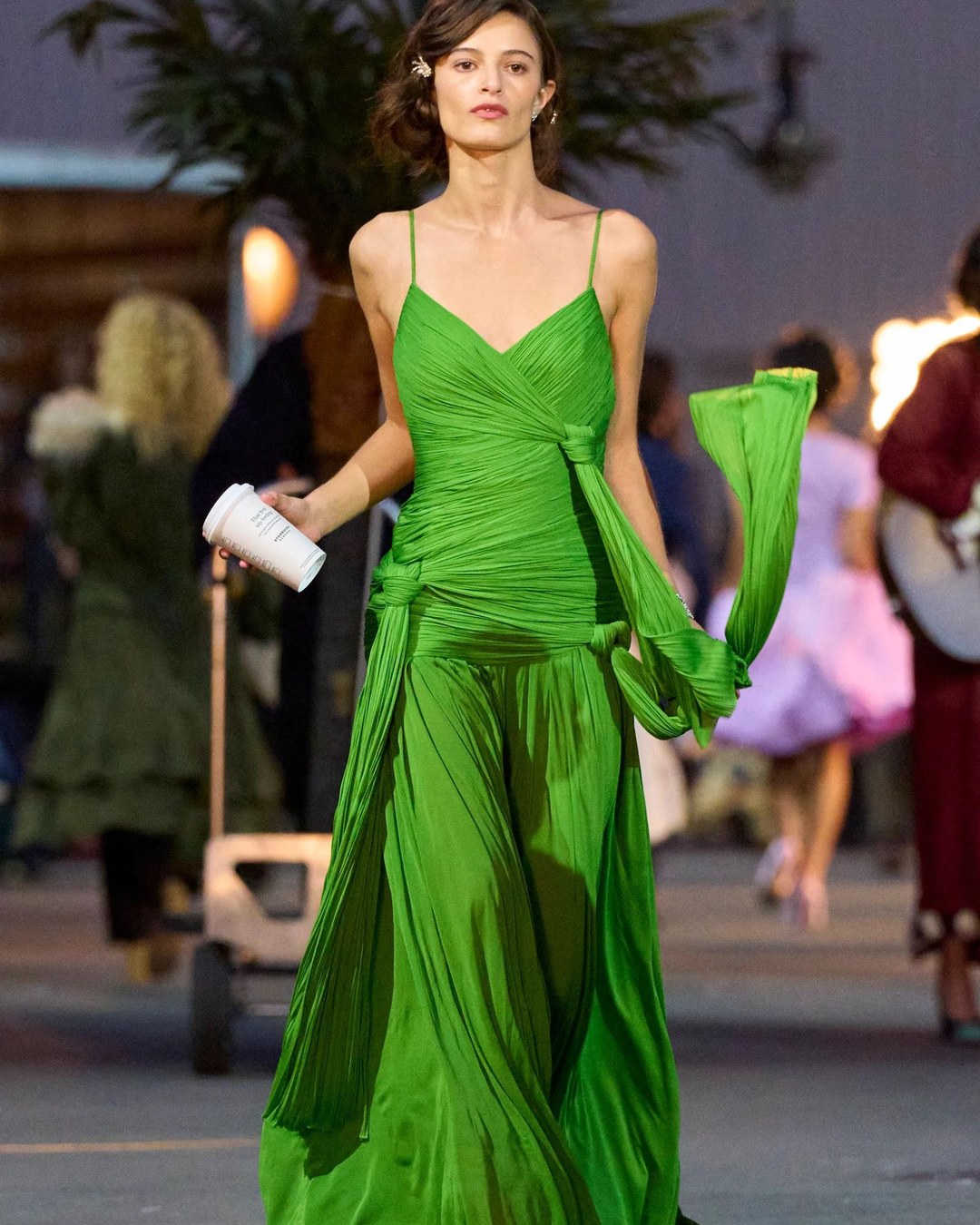
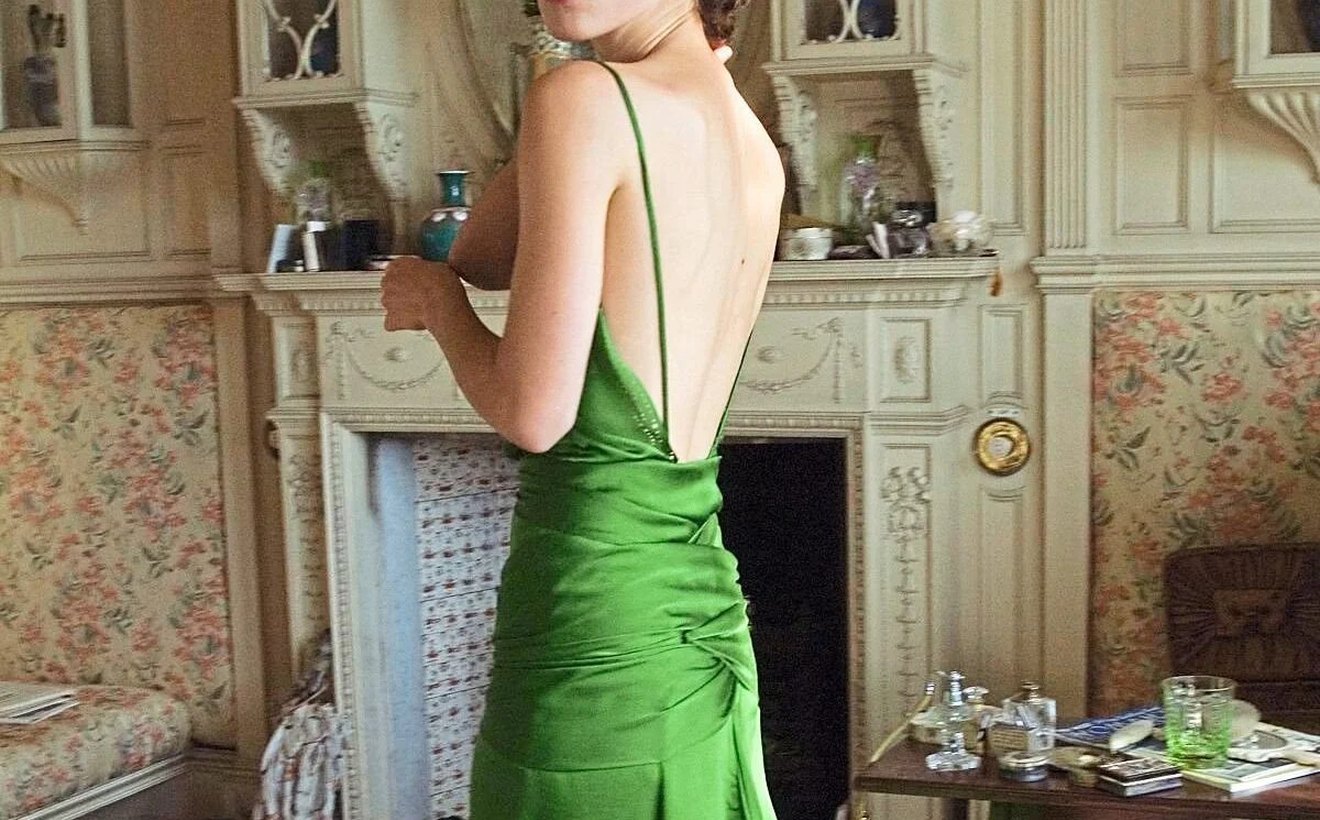
The gown that defined a decade of cinema was built from silk chiffon dyed in a deep emerald hue. The fabric choice allowed the dress to catch light on camera, creating a luminous ripple as the wearer moved. Tailors hand‑stitched a lattice of micro‑beads along the bodice, a technique that added texture without adding weight. The silhouette featured a fitted waist that flared into a full skirt, a shape that echoed the era’s revival of classic Hollywood glamour while remaining modern enough for contemporary audiences.
Screen moment
The dress appears in a pivotal scene where the protagonist steps onto a grand staircase, the camera tracking her ascent in a single, unbroken take. The emerald fabric contrasts sharply with the muted palette of the set, drawing the eye to the character’s transformation from restraint to confidence. The movement of the chiffon against the staircase’s marble creates a visual rhythm that mirrors the narrative beat, reinforcing the emotional arc without a single line of dialogue.
Legacy
Since its debut, the dress has been reproduced in museum exhibitions and fashion retrospectives, cited as a benchmark for how costume can shape storytelling. It remains a reference point for designers seeking to blend technical precision with narrative impact.
What it leaves behind
The moment endures as a visual shorthand for empowerment through clothing. It reminds viewers that a single garment can alter perception and propel a story forward.