
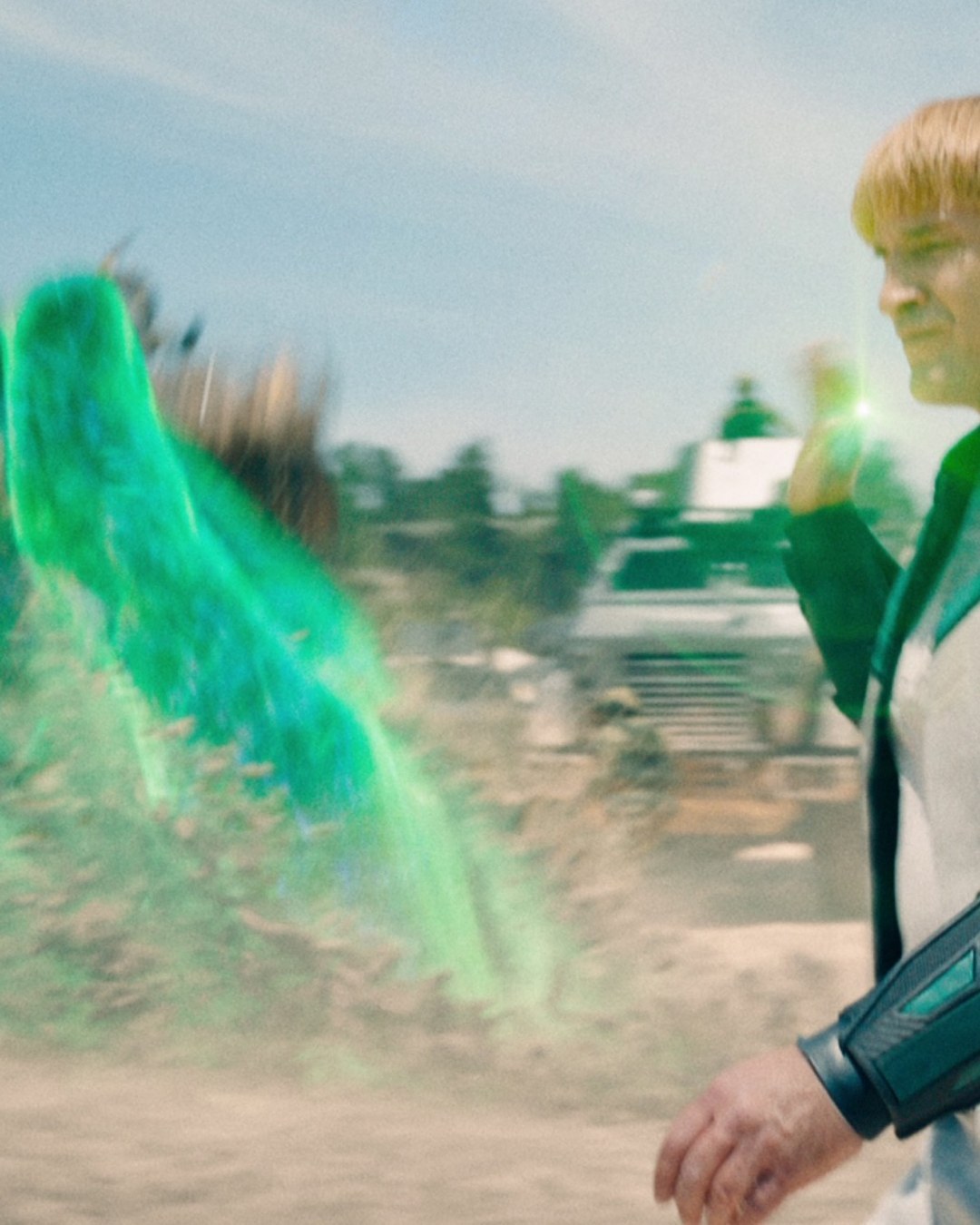
The studio unveiled the lead for the next Green Lantern film in a brief press release that circulated through industry channels. The announcement named a well‑known action star as the new bearer of the power ring, and the name alone set social media alight. Fans of the comic book hero and observers of the franchise’s turbulent past reacted with a surge of online commentary, sharing memories of the previous cinematic attempt. The simple act of naming a new face ignited a collective recollection that stretched back more than a decade.
The original failure
The 2011 Green Lantern, starring Ryan Reynolds and directed by Martin Campbell, entered theatres amid high expectations and a sizeable budget. Critics pointed to a disjointed script, uneven tone and visual effects that failed to capture the luminous mythology of the lantern corps. Box‑office returns fell short of the projected figures, and the film quickly became a reference point for mis‑aligned superhero adaptations. Its reputation settled as a cautionary tale in modern Hollywood, cited in discussions of franchise missteps.
Why nostalgia resurfaces
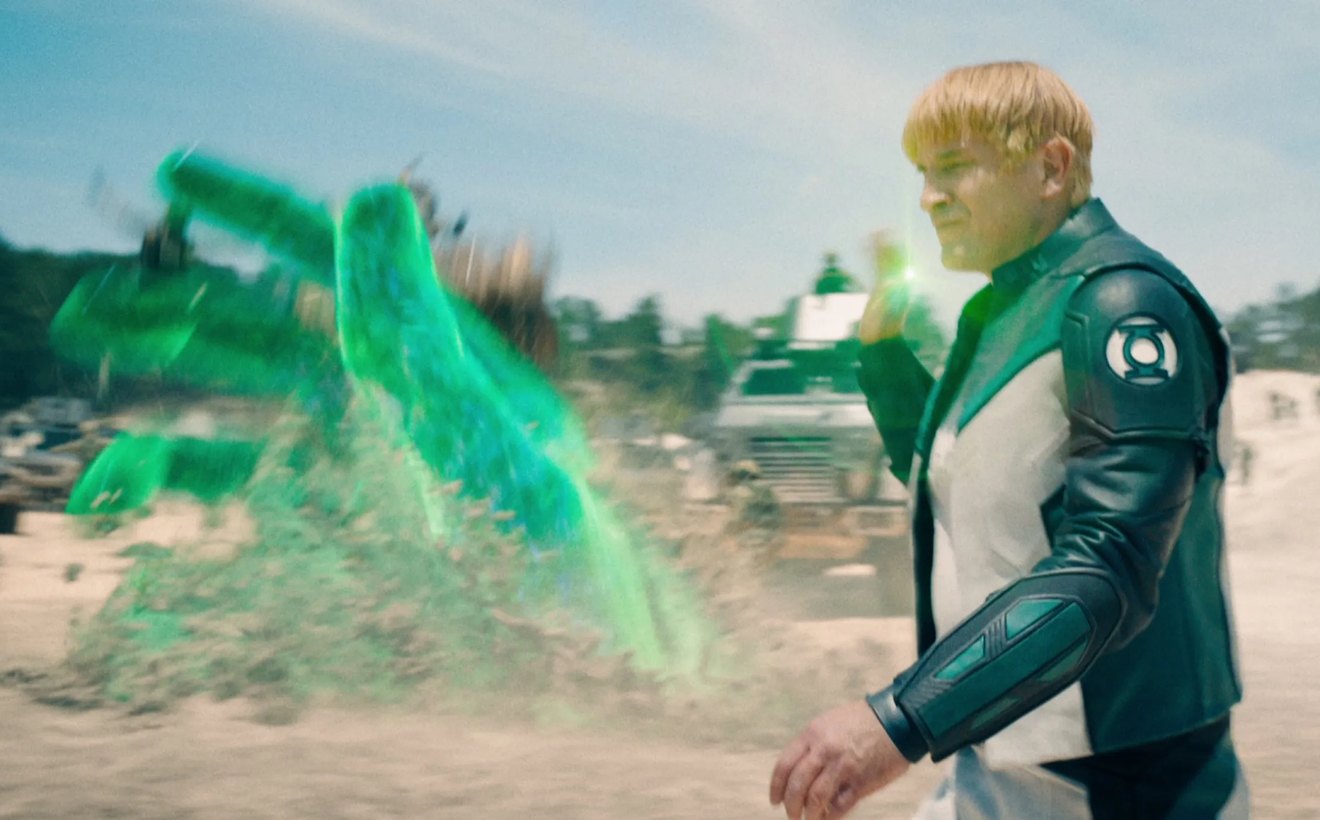
Nostalgia thrives on contrast, and the fresh casting announcement provided a clear foil to the earlier misfire. The visual language of the new poster, the sleek costume design and the promise of a darker, more grounded narrative reminded audiences of what the previous film lacked. As viewers compared the two eras, they revisited the original’s shortcomings and celebrated the prospect of redemption. The wave of reminiscence was amplified by fan‑made montages and retrospective articles that resurfaced the 2011 film’s most talked‑about moments.
Legacy left behind
The renewed interest underscores how a single misstep can linger in cultural memory for years. The upcoming project now carries the weight of both redemption and expectation, a dual legacy forged by the original’s failure.