
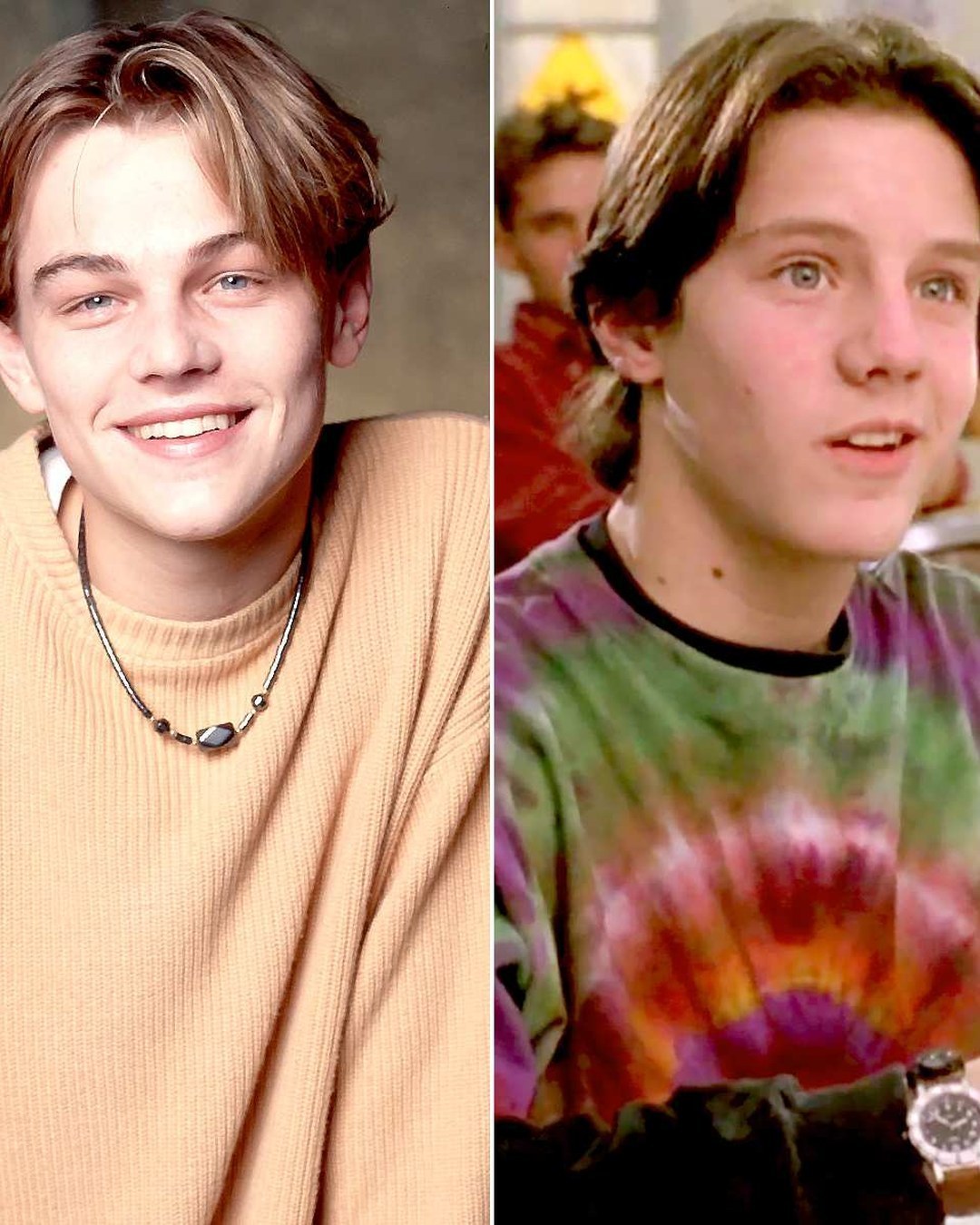
The landscape of 1993 cinema featured two very different projects seeking the same young talent. Disney was developing Hocus Pocus, a film centered on the return of three witches to Salem, Massachusetts. The lead character, Max Dennison, required a young actor who could carry a high-concept family adventure. Leonardo DiCaprio was the primary choice for this role.
The financial package offered by the studio was substantial, representing more money than the actor had ever dreamed of earning at that stage of his career. At the time, DiCaprio was primarily known for television work and a few supporting film appearances. The role of Max Dennison offered a clear route to becoming a household name through the Disney machine. It was a lead role in a film designed for wide commercial appeal, featuring elaborate sets and a narrative built for a broad audience.
The independent alternative
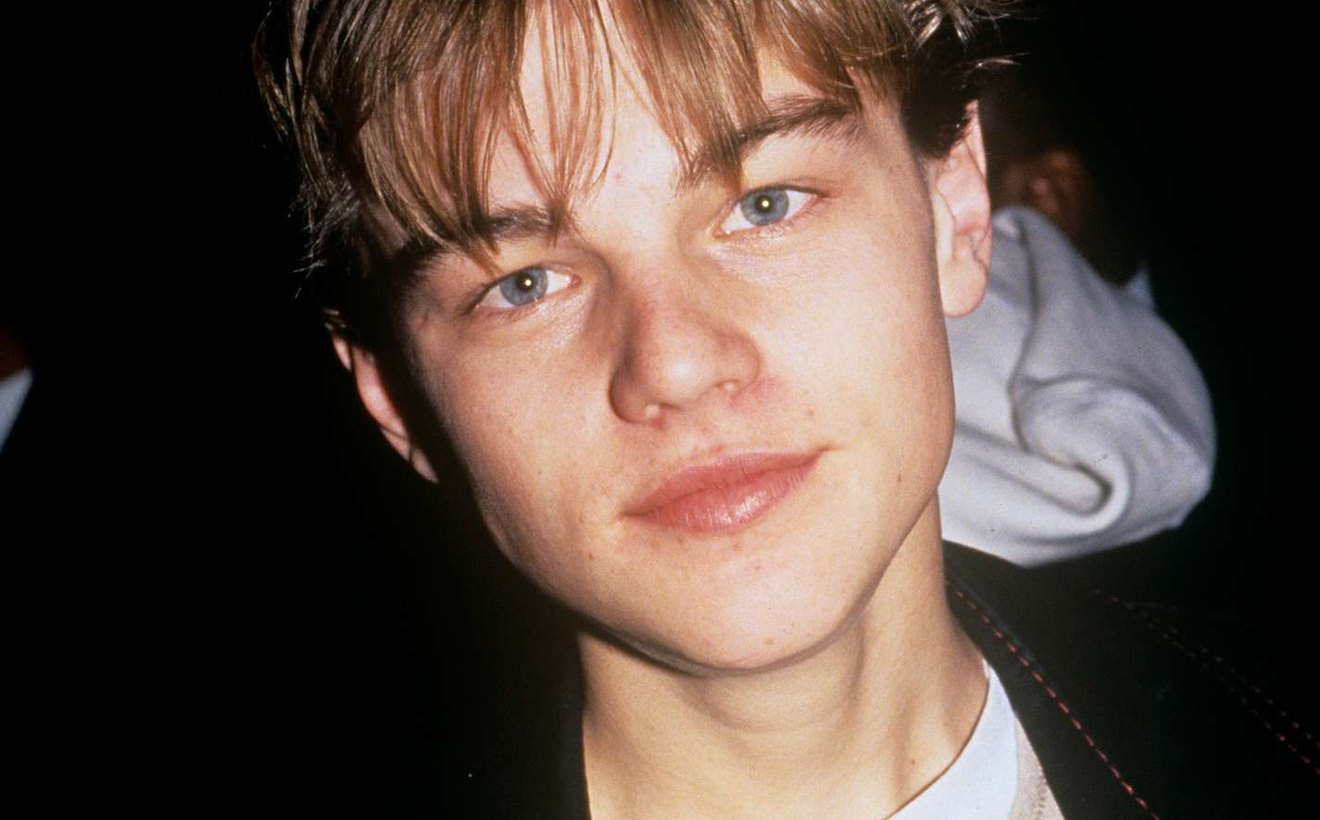
Instead of signing the Disney contract, DiCaprio focused his attention on an audition for What's Eating Gilbert Grape. This film was a grounded drama about a young man caring for his family in a rural town. The role of Arnie Grape was a supporting part, but it was one that required a high level of technical skill and emotional range. Arnie was a character with developmental disabilities whose presence dictated much of the film's tension and heart.
The project was an independent production that could not match the financial scale of a Disney blockbuster. Choosing this role meant turning down the massive paycheck associated with Hocus Pocus. It was a gamble on a script and a character that offered no guarantee of commercial success. The role of Arnie Grape was far removed from the polished, relatable teen hero archetype and required the actor to inhabit a character with specific physical mannerisms.
The consequences of the choice
The decision to decline the Disney role for the indie drama became a defining moment in the history of 1990s film casting. By choosing What's Eating Gilbert Grape, DiCaprio entered a production that prioritized performance over spectacle. The film allowed him to demonstrate a level of craft that caught the attention of the industry. His portrayal of Arnie Grape resulted in his first Oscar nomination. This accolade established him as a serious dramatic actor before he had even reached his twenties.
Meanwhile, Hocus Pocus was completed with a different actor and eventually found its own place as a cult classic in the family horror genre. The divergence in these two paths shows the weight of early career decisions. One path offered immediate financial security and the visibility of a studio star. The other path offered a difficult, unglamorous role that led to critical prestige. The success of his performance in the indie film validated the decision to walk away from the Disney money. It set a precedent for his future work, where he would frequently choose demanding roles in films by prestigious directors.
The final legacy
The choice to prioritize a complex independent role over a lucrative studio contract established a blueprint for a career defined by artistic risk. This early gamble remains a clear example of how a single casting decision can shift the entire direction of a cinematic legacy.