
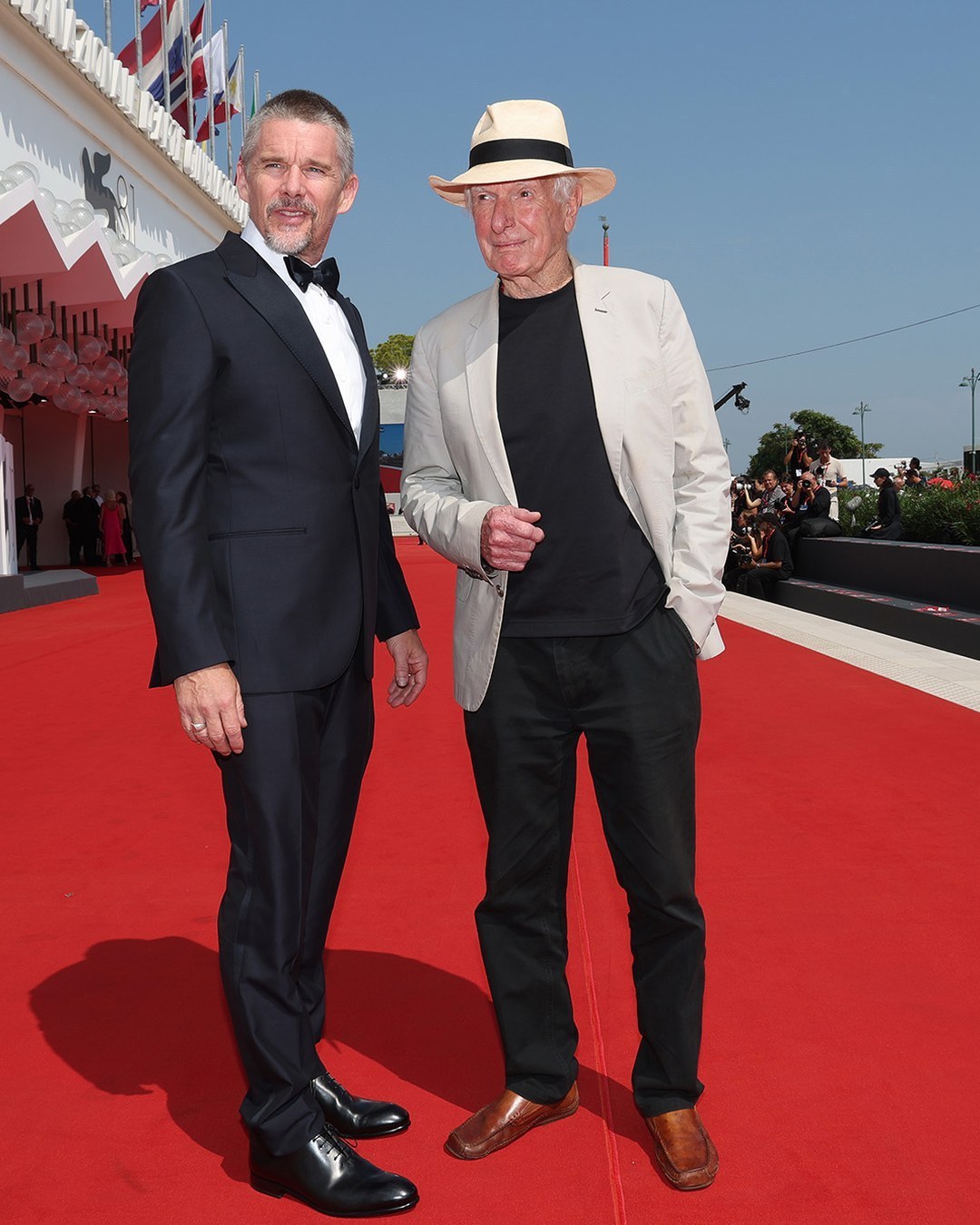
Ethan Hawke began his journey into professional acting with significant roles in the late 1980s. One of the most critical projects of this era was the production of Dead Poets Society. The film required a cast of young men to portray students at a rigid prep school. This environment was designed to be immersive, reflecting the strict discipline of the fictional boarding school. For the teenage Hawke, the transition into such a high-stakes professional environment involved significant pressure and a steep learning curve. The production was a major undertaking, and the expectations for the young actors were immense.
Peter Weir served as the director of the film. Weir is a filmmaker recognized for a meticulous and often demanding approach to his craft. His body of work includes projects that require emotional depth and technical precision from every member of the cast. For Hawke, the environment on the set was one of constant scrutiny. The director pushed the actors to inhabit their roles fully, often requiring multiple takes and intense focus. This pressure created a challenging atmosphere for the young performers. Hawke experienced a growing sense of frustration with the specific and demanding style of direction. The dynamic between a veteran director and a novice actor often involves a period of intense adjustment.
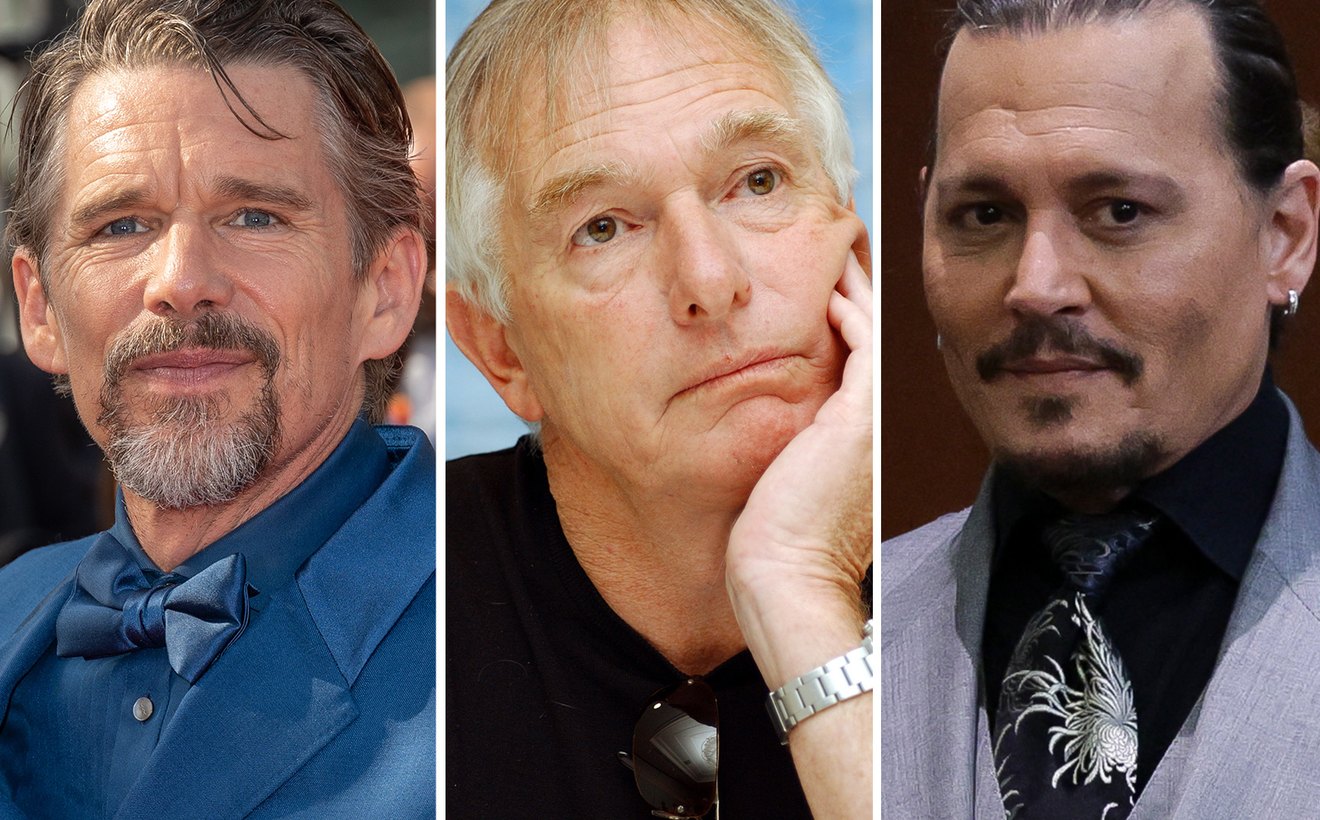
The accidental broadcast
Technical equipment on a film set is designed to capture every detail of a performance. During the filming of Dead Poets Society, Hawke was equipped with a wireless microphone. These devices are standard for recording clear audio in various environments, allowing actors to move freely while their dialogue is captured. The microphone was live and transmitting a signal to the sound crew throughout the day. During a break in filming, the young actor expressed his frustrations regarding Peter Weir's direction. He spoke freely, unaware that his voice was being broadcast to the entire crew through the audio equipment he was wearing.
The sound mixer and other staff members heard the teenager's complaints in real time. This was a moment of extreme professional vulnerability for the young star. The act of criticizing a director while on his set is a serious transgression in the film industry. The incident was not a private conversation but a public broadcast that reached the ears of the very people Hawke was working with. The embarrassment of the situation was immediate and widespread. The crew members monitoring the audio feed were made aware of the young actor's internal struggle and his negative view of the director's style. This technical oversight transformed a private moment of teenage venting into a public event.
A career in jeopardy
The fallout from the hot mic mistake placed Hawke's breakout role in jeopardy. In the late eighties, Hawke was an unproven talent and the success of Dead Poets Society was not yet a reality. A director of Peter Weir's stature has the power to make casting changes if a professional relationship becomes untenable. The incident revealed a lack of discretion that could have been fatal to a burgeoning career. The tension on set reached a critical point following the broadcast of Hawke's comments. The young actor faced the possibility of being removed from the production entirely, which would have altered the course of his professional life.
This moment of embarrassment forced a realization about the nature of professional conduct on a major film set. The high stakes of Hollywood production leave little room for such errors, especially from newcomers. Hawke had to navigate the consequences of his words while continuing to perform under the director he had just criticized. This was a legendary actor's career-defining moment of embarrassment that almost cost him his breakout role. The incident highlighted the precarious nature of early stardom. It demonstrated how quickly a professional reputation can be damaged by an unguarded moment in a high-pressure environment.
The legacy of the error
The incident serves as a permanent record of the difficulties faced by young actors in high-pressure environments. This moment of early professional friction eventually gave way to a long and successful career for the performer.