
Johnny Cash is a central figure in American music history. His career spanned decades, moving through country, rock and roll, and folk music traditions. The visual identity of this performer remained remarkably consistent throughout his time in the public eye. He earned the nickname the Man in Black because of his preference for dark clothing on stage and in promotional photographs. This aesthetic became a symbol of his rebellious spirit and his alignment with the marginalized members of society. However, the origin of this choice was not rooted in a desire for a specific brand image or a complex marketing strategy. The first time Johnny Cash performed for an audience, he wore all black. This decision established a visual template that would define his entire professional life and influence generations of musicians who followed him.
A solution for the stage
The shift toward a monochromatic wardrobe was a solution to a practical problem. At the beginning of his career, Cash performed with a small group of musicians. These bandmates did not have a professional wardrobe or a set of matching stage outfits. When preparing for their first performance, the members of the group realized that their existing clothing lacked a cohesive look. The various items they owned did not coordinate well in terms of color or style. To solve this issue and present a professional front to the audience, the musicians looked for the only common color in their individual wardrobes.
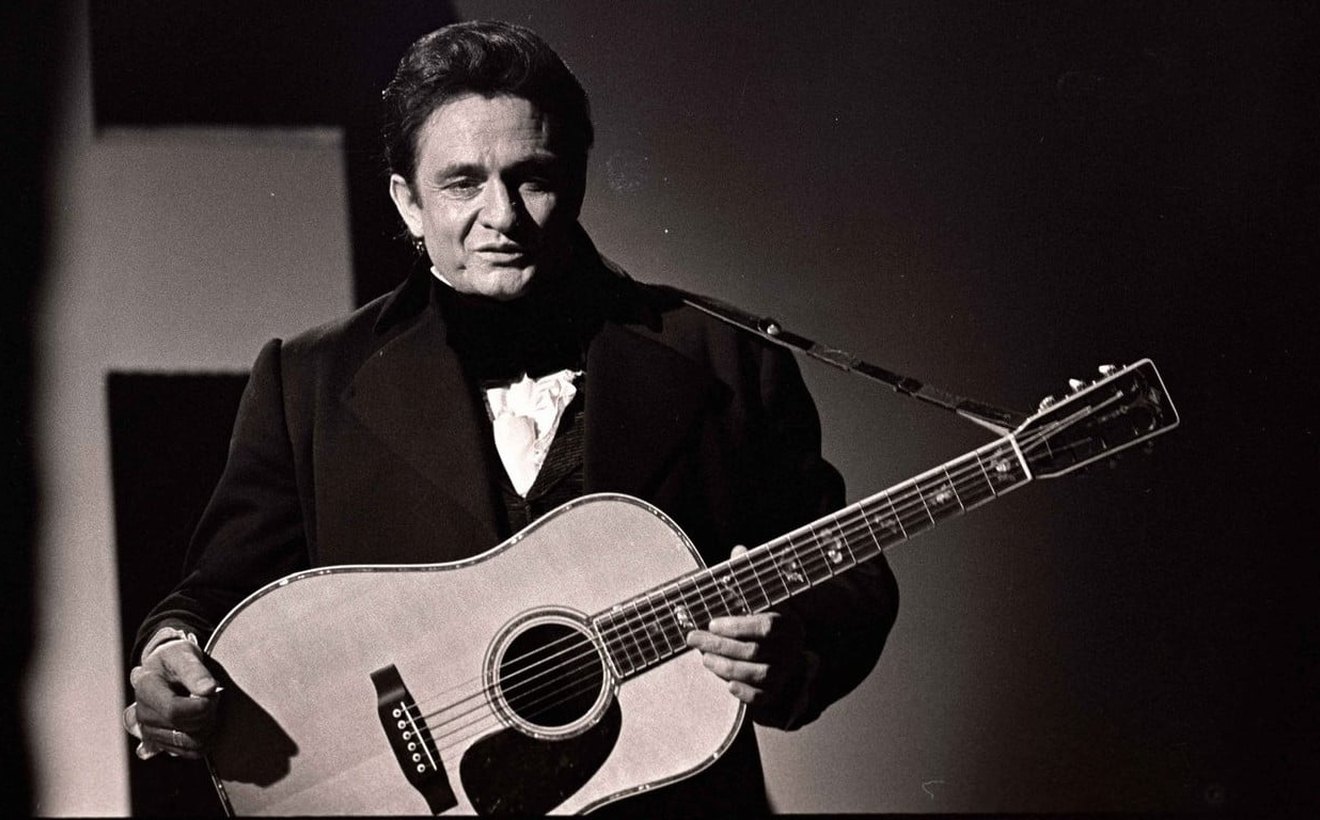
Each man owned a black shirt and a pair of black trousers. Choosing to wear these items ensured that the band appeared uniform on stage. This act of necessity replaced the need for expensive costumes or a coordinated fashion strategy. The legendary rebel look of Johnny Cash began as a way to avoid a disorganized appearance during a live set. This decision was not the result of a meeting with a stylist or a marketing professional. It was the result of three men looking through their closets for something that would not look mismatched under the stage lights. They chose the most accessible option available to them at the time.
The song of protest
As his fame grew, the public began to associate the dark clothing with a specific persona. Cash eventually adopted the name the Man in Black as a formal title. Years after his initial performances, he wrote a song that provided a retrospective explanation for his choice of attire. In this composition, he described the black clothing as a form of protest. The lyrics identified the color as a tribute to the poor, the hungry, and those who were treated unfairly by the justice system.
He used the song to express solidarity with people who were often ignored by mainstream society. This later explanation transformed a practical wardrobe choice into a significant social statement. The transition from a utilitarian fix to a symbolic gesture allowed the image to carry a deeper meaning for his audience. It moved the persona from the realm of stagecraft into the realm of advocacy. The song gave a voice to the visual, aligning the dark clothes with a moral stance that defined his later career. He continued to wear black throughout his life, maintaining the connection between his appearance and his message.
The legacy of the image
The accidental creation of the Man in Black identity remains a primary example of how public personas are formed through a combination of chance and later intention. This visual legacy persists as a defining element of the history of country music.