
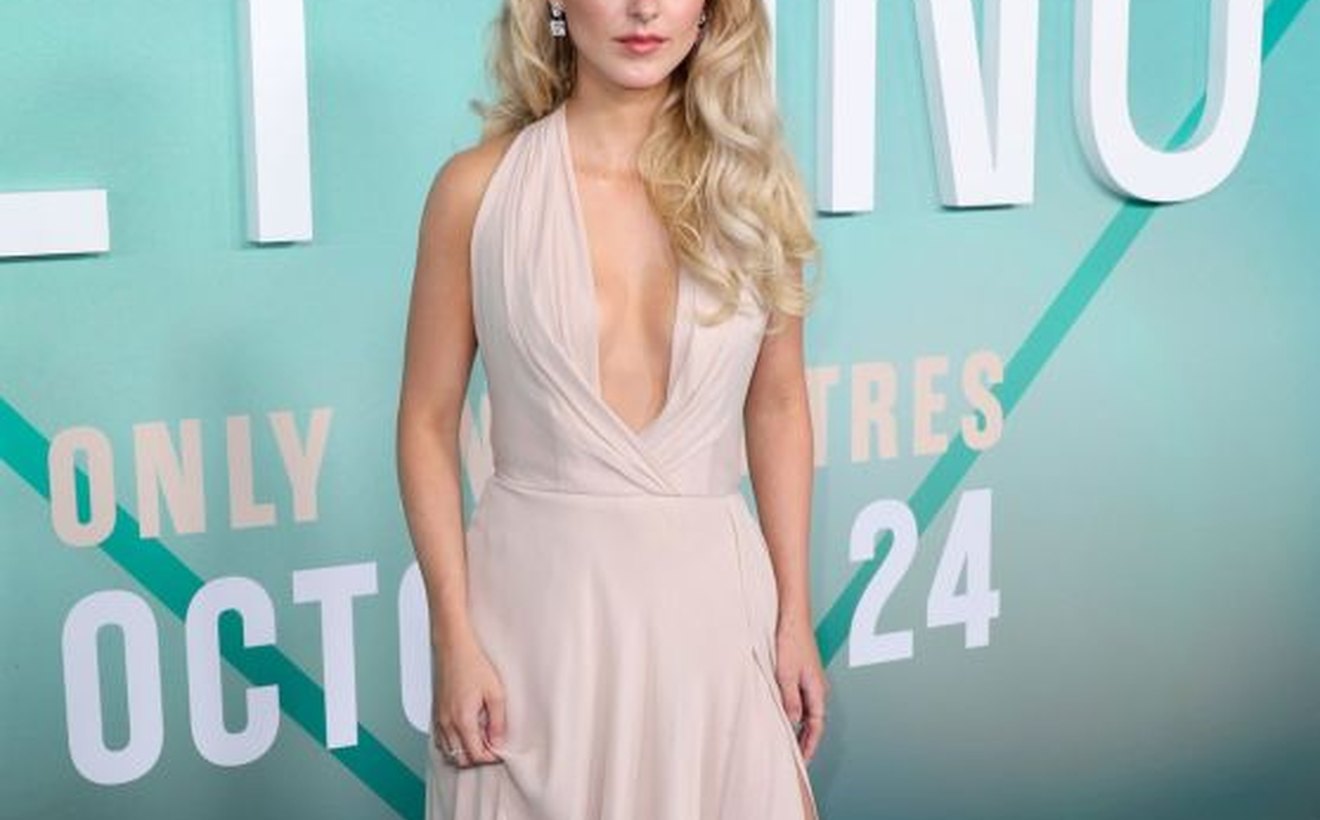
Mckenna Grace recently appeared at a premiere wearing a garment that directly referenced a pivotal moment in film history. The dress was a recreation of the wedding gown seen in The Hunger Games: Catching Fire. This specific look was originally created for Jennifer Lawrence. The garment carries a heavy weight in the context of the franchise. It represents a turning point for the central character of the series. By choosing this design, Grace positioned herself within a lineage of dystopian storytelling. The visual cues of the dress are distinct and intentional. It is not a standard red carpet choice. It is a deliberate nod to a character who became a symbol of resistance. Grace is a rising star in the industry. Her choice to wear this recreation highlights the lasting influence of the series. The original film was released years ago, yet its visual language remains recognizable to a global audience. The appearance of the dress outside of the film's narrative provides a new context for the design.
The actress stepped out in a look that felt hauntingly familiar to fans of the series. It was an echo of a moment that defined dystopian cinema for an entire generation. The recreation allowed the audience to revisit the atmosphere of the original production. Grace's presence in the dress emphasizes how certain costumes transcend the films they were made for. They become cultural touchstones. This tribute is more than a simple fashion choice. It is an acknowledgement of the impact that Jennifer Lawrence and the franchise had on the genre. The look bridges the gap between the original films and the current generation of performers. It brings a piece of cinematic rebellion back to life in a contemporary setting. The choice reflects a deep appreciation for the visual history of the medium.
The design of rebellion
The original wedding dress was the work of designer Tex Saverio. In the narrative of The Hunger Games, the dress was commissioned for the character played by Jennifer Lawrence. It was intended to be a display of opulence and submission to the ruling power. During a key televised interview within the story, the white gown transformed. It burned away to reveal the dark feathers of a mockingjay. This transformation signaled the start of a revolution. The mockingjay became the emblem of the rebellion. Tex Saverio's design used intricate structures to create a look that was both ethereal and sharp. The recreation worn by Mckenna Grace captures the architectural elements of the original piece. It serves as a reminder of the craftsmanship involved in world-building through costume. The design was never just about fashion. It was about the transition of a character from a survivalist to a reluctant leader.
The dress was the catalyst for that change in the public eye of the fictional world. Seeing the design again brings these themes back to the forefront of cultural discussion. The dress symbolizes the shift from a pawn of the state to a leader of the people. The visual of the white fabric giving way to the mockingjay is one of the most iconic images in the franchise. The recreation maintains the spirit of that rebellion. It highlights the intersection of high fashion and narrative storytelling. By wearing this piece, Mckenna Grace honors the work of Tex Saverio. She also honors the performance of Jennifer Lawrence. The look remains a powerful statement about the role of clothing in cinema. It demonstrates how a single garment can carry the entire weight of a film's message.
The influence of the franchise
The Hunger Games series established a specific aesthetic for dystopian cinema. It blended high fashion with political subtext. The costumes were not merely decorative. They were tools of propaganda and protest. Jennifer Lawrence became the face of this movement. Her performance is a cornerstone of modern film adaptations. Mckenna Grace has built a career through various roles in film and television. By selecting this specific recreation, she acknowledges the impact of the performers who came before her. The mockingjay symbol is one of the most recognizable icons in twenty-first-century cinema. It represents defiance and the power of the individual against a system. The recreation of the Tex Saverio dress maintains these associations. It bridges the gap between a fictional rebellion and the reality of modern celebrity appearances.
Fashion in cinema often fades after a film's release cycle. However, certain pieces remain part of the collective memory. This dress is one of those pieces. It continues to be studied and recreated because of its narrative significance. The choice made by a rising star to pay homage to this moment shows the depth of the film's legacy. It is a tribute to the artistry of the original production team. The look serves as a bridge between the era of the original films and the current industry. It shows that the themes of the franchise still hold a place in the public consciousness. The dress is a physical manifestation of a story that changed the way audiences view dystopian worlds. Grace's appearance ensures that the mockingjay continues to fly in the world of fashion.
A lasting visual legacy
The return of the mockingjay aesthetic through Mckenna Grace ensures the visual language of the rebellion remains relevant to a new generation of viewers. This moment solidifies the Tex Saverio design as a permanent fixture in the history of cinematic costume.