
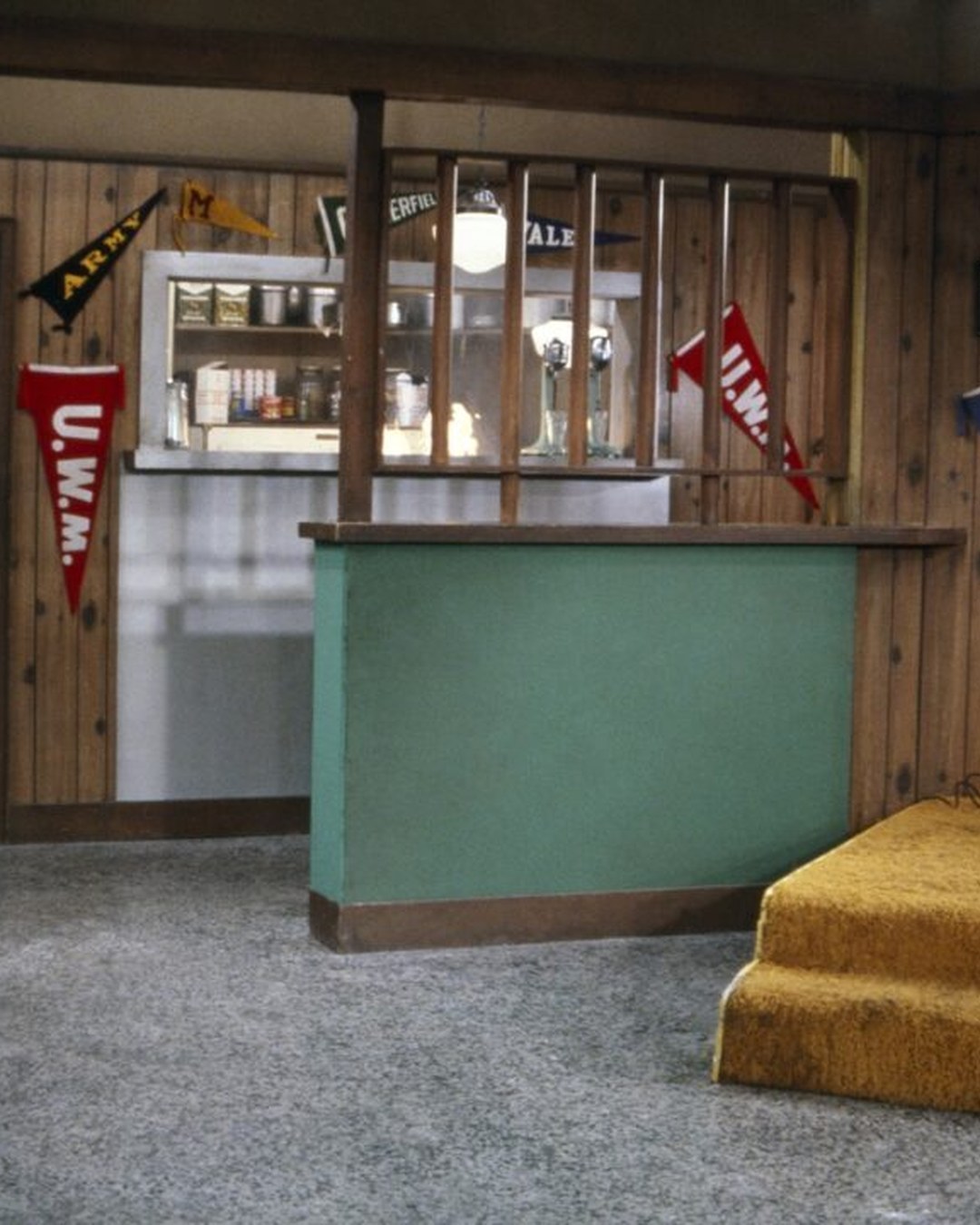
The television series Happy Days is recognized as a definitive depiction of 1950s Americana. For eleven seasons between 1974 and 1984, the show presented a stylized version of Milwaukee, Wisconsin, centered on the Cunningham family and their local hangout, Arnolds Drive-In. While the on-screen world suggested a spacious, suburban comfort, the production environment at Paramount Pictures in the 1970s was characterized by significant physical constraints. The show was filmed on a standard soundstage. It had to accommodate multiple sets, technical equipment, and a large group of performers and technicians.
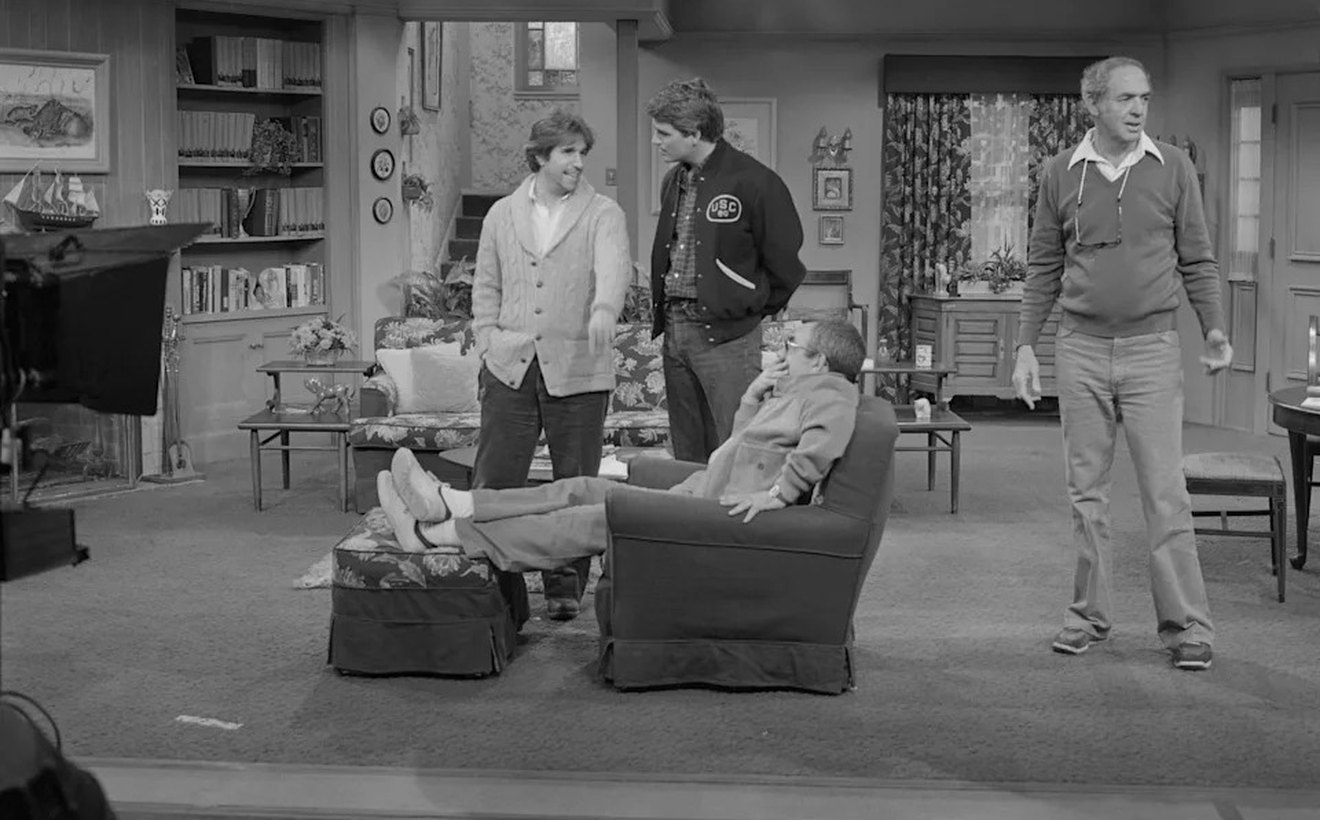
Within this professional landscape, the reality of television production often clashed with the polished image of the mid-century middle class. The soundstage was a functional space where the requirements of a weekly sitcom took precedence over luxury. The sets for the Cunningham living room and kitchen were constructed to be seen from specific angles by cameras. This left the areas behind the facades as utilitarian corridors filled with cables, props, and support structures. This environment required a high degree of coordination among the staff to maintain the illusion of a quiet suburban home for the television audience.
Routine behind the kitchen set
The logistical heart of the soundstage contained a secret that influenced the daily routine of every person on the set. Tucked directly behind the kitchen set was a single, tiny restroom. This facility was the only one available for the entire cast and crew during long days of rehearsals and filming. The production of a multi-camera sitcom involves dozens of individuals, including actors, camera operators, lighting technicians, and hair and makeup artists. Consequently, the existence of only one bathroom created a constant bottleneck. This logistical hurdle resulted in a shared sense of dread regarding the daily coffee break.
The situation became particularly acute during these scheduled breaks. When the cameras stopped rolling, the transition from the fictional Milwaukee to the reality of the Paramount stage was marked by the immediate formation of a queue. This small room became a focal point of the production, hidden just inches away from the set where the Cunningham family shared their scripted meals. The proximity of such a basic necessity to the primary filming area meant that the sounds and movements of the crew had to be carefully managed. Producers worked to ensure that this activity did not interfere with the work on the other side of the plywood walls.
Collaboration in the queue
The shared experience of waiting in this line became a defining characteristic of life on the Happy Days set. Ron Howard, who played the wholesome Richie Cunningham, and Henry Winkler, who portrayed the iconic Arthur Fonzarelli, were regular fixtures in this queue. Howard had entered the series as a seasoned performer with a public persona defined by reliability and a clean-cut image. Winkler had become a national phenomenon through his portrayal of a leather-jacketed rebel whose mere presence could command a room. In the hallway behind the kitchen set, these distinctions disappeared.
The two actors spent their waiting time swapping jokes and conversing with the crew members who stood in line alongside them. This environment forced a level of physical proximity that was unusual even for the collaborative world of television. Producers were tasked with maintaining a professional atmosphere while managing the logistical chaos that a single restroom inevitably produced. They worked to ensure that the frustrations of the cramped quarters did not impact the performances or the morale of the team. Over time, the experience of navigating the line behind the kitchen set evolved into a legendary rite of passage. It served as an unofficial initiation for anyone joining the Happy Days production.
Legacy of the shared space
The single restroom at Paramount remains a notable footnote in the history of a production that defined a decade of television. This shared inconvenience fostered a specific culture of camaraderie that persisted behind the scenes of the Cunningham home.