
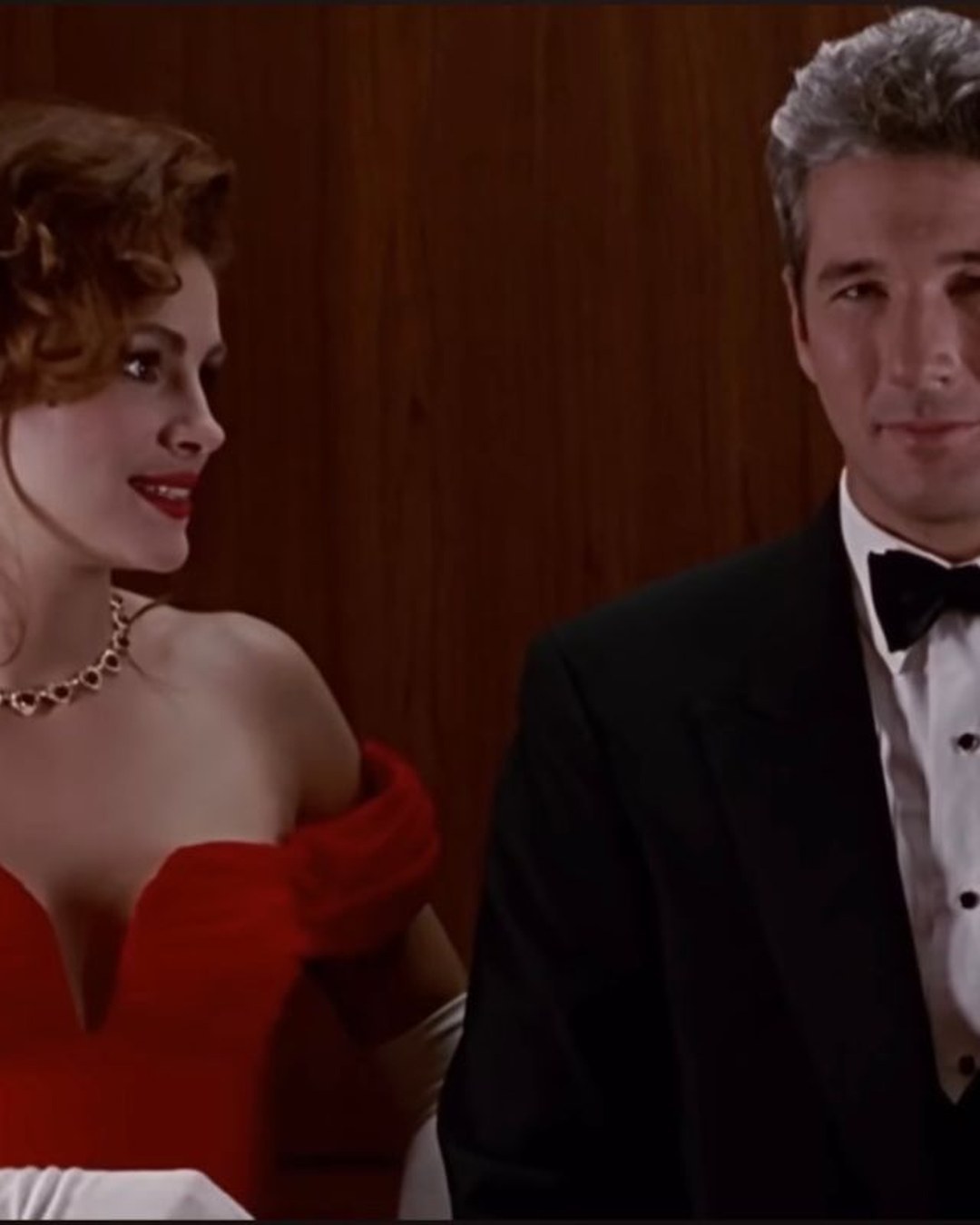
The screenplay that became Pretty Woman began as a stark tragedy. In its earliest form the central figure was left alone in a dark alley, a scene that emphasized abandonment and desperation rather than romance. The tone of that draft was unrelenting, focusing on the harsh realities of street life and the isolation of a single character. The narrative structure reflected a bleak arc, with little promise of redemption or uplift. This initial version presented a stark contrast to the light‑hearted story that would later dominate the screen.
Rewriting the tone
When the project moved into development, producers and writers reshaped the material into a romantic comedy. The grim alley scene was replaced with a chance encounter on a bustling boulevard, and the protagonist’s circumstances were reimagined as a temporary, if precarious, arrangement rather than a permanent plight. The rewrite introduced a Cinderella‑like trajectory: a wealthy businessman meets a streetwise woman, offers her a night of glamour, and ultimately proposes a future together. Director Garry Marshall guided the transformation, emphasizing humor, charm and a feel‑good resolution that would appeal to broad audiences.
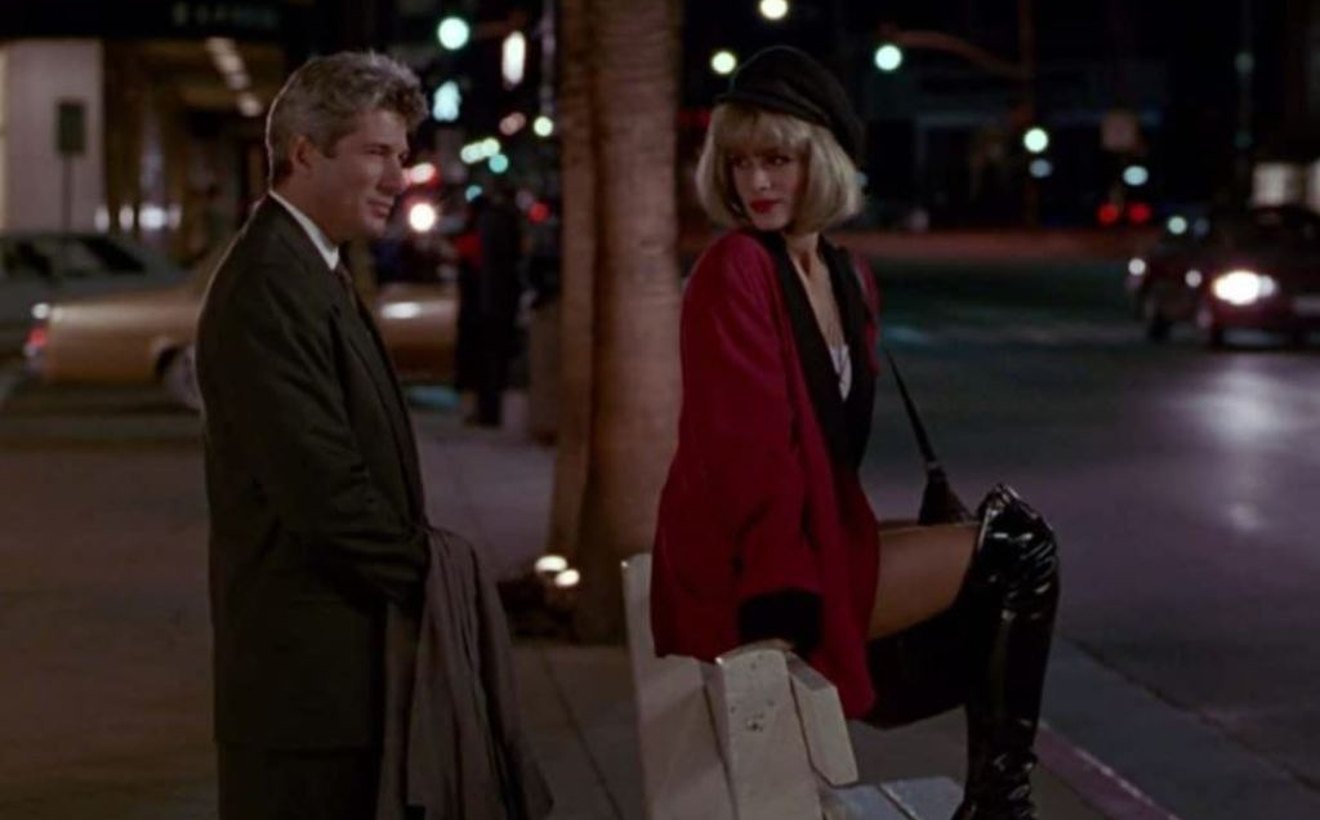
Legacy of the shift
The final film, released in 1990, stands as one of the most recognizable romantic comedies of its era. Its fairy‑tale structure, iconic wardrobe moments and the chemistry of Julia Roberts and Richard Gere have cemented its place in popular culture. The original tragic premise is now a footnote, known mainly to film historians who trace the script’s evolution. The shift from alley darkness to city sparkle illustrates how a single narrative decision can redefine a work’s cultural impact, turning a potential tragedy into a lasting celebration of unlikely love.
What remains
The discovery of the dark original reminds viewers that even the brightest stories can emerge from shadowed beginnings. It leaves behind a reminder of the fragile line between tragedy and romance.