
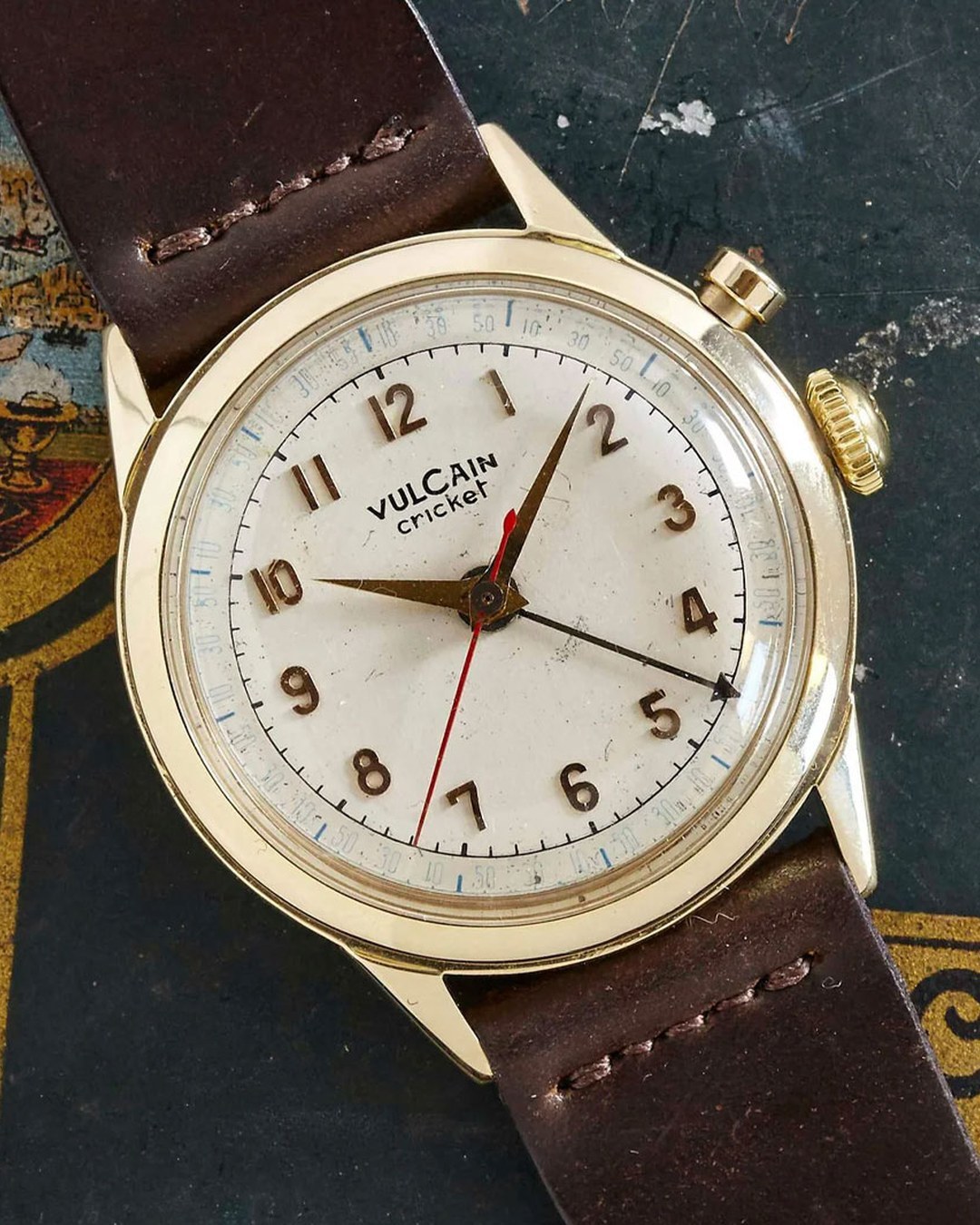
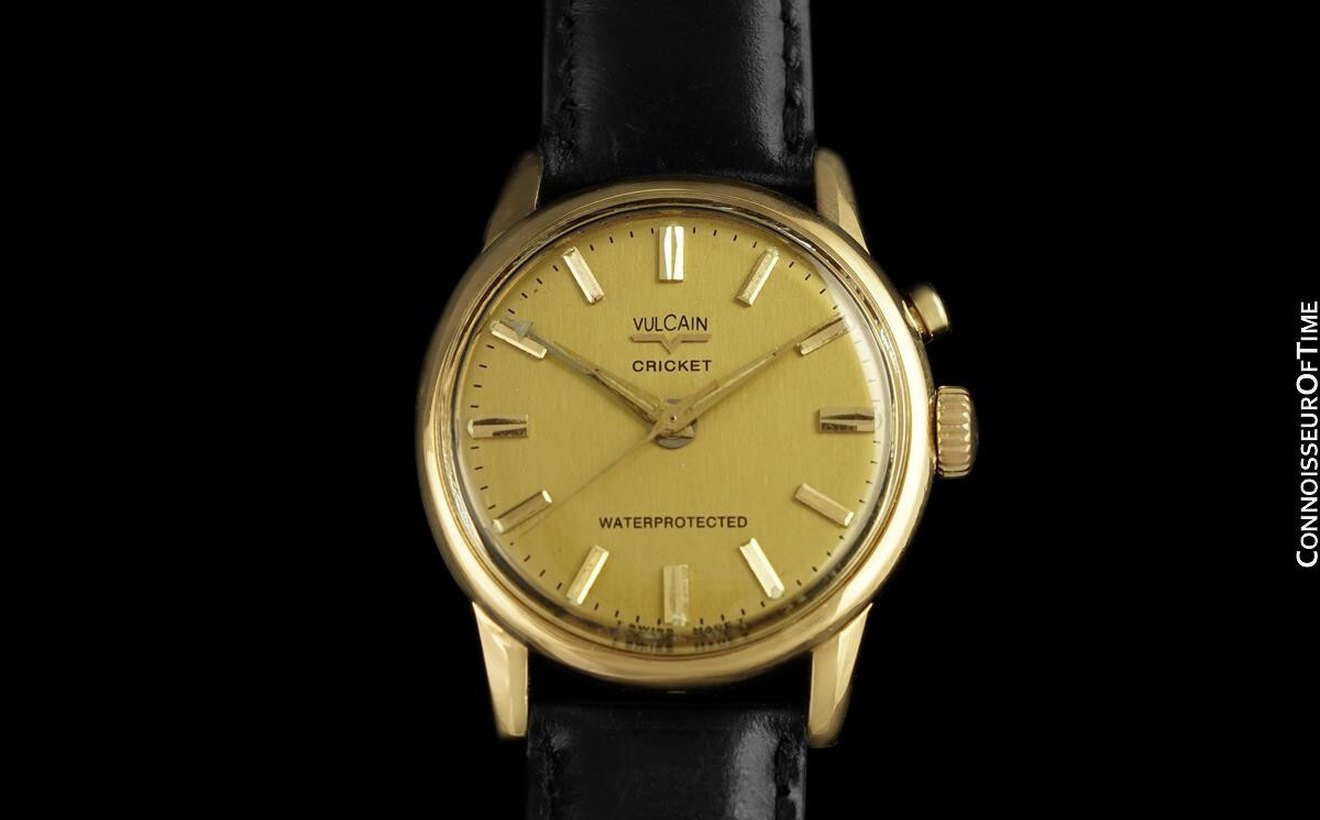
The Vulcain Cricket began its association with the American presidency during the administration of Harry Truman. While the public image of presidential timekeeping involves the most recognizable luxury brands, this specific Swiss manufacturer holds a more consistent place in White House history. Names like Rolex and Patek Philippe are associated with high-status individuals. However, the Vulcain Cricket was not selected for its brand recognition or its status as a jewelry piece. Instead, it was chosen for a specific mechanical innovation that set it apart from its contemporaries in the mid-twentieth century.
Every President since Harry Truman has either been gifted or has owned a Vulcain Cricket. This creates a lineage of ownership that spans decades and political parties, regardless of the personal tastes or backgrounds of the individuals in office. The brand remains obscure to the general public compared to the major houses of Geneva. Yet it has maintained a constant presence on the most powerful wrists in the world. This tradition transformed a niche Swiss horological development into a standard piece of equipment for the Commander in Chief. The consistency of this gift across administrations demonstrates a shared reliance on the watch's unique utility rather than a desire for conspicuous display. It is a tradition that has persisted through changes in fashion and the advent of electronic timekeeping.
Mechanical alarm innovation
The primary appeal of the Vulcain Cricket was its status as the first wristwatch to feature a functional mechanical alarm. Before this development, the idea of a watch that could emit a loud, clear sound at a pre-set time was a significant engineering challenge for horologists. The mechanical movement required a separate barrel to power the alarm function. This design ensured that the energy used for the sound did not interfere with the timekeeping accuracy of the main movement.
The striking mechanism within the case was designed to hit a metal pin, which in turn struck a secondary internal diaphragm. The sound produced by the watch is sharp and rhythmic, matching the chirping of an insect. This gave the model its name. This functional luxury provided a tool that was both discreet and effective for the wearer. In an era before digital devices and silent haptic feedback, a mechanical alarm was a sophisticated piece of technology. It represented the height of mid-century innovation. The engineering required to fit such a loud and reliable alarm into a standard-sized case was a breakthrough for the Swiss watch industry. It offered a level of independence from external clocks and assistants that was previously unavailable to a world leader.
Strategic meeting management
The practical application of the Vulcain Cricket within the White House was specifically focused on the management of time during official business and diplomatic encounters. Presidents utilized the mechanical alarm as a tool to maintain their schedules during long meetings. When a discussion exceeded its allotted time or became unproductive, the President could rely on the audible chirp of the watch to provide a natural conclusion to the session.
This allowed for a discreet signal that the next appointment was due or that the current business needed to wrap up immediately. It removed the necessity for a staff member or an aide to interrupt a conversation. Such interruptions represented a breach of protocol. Instead, the watch acted as the authority. The alarm functioned as an objective arbiter of time in the room. Because the sound was a known feature of the watch, it served as a polite but firm notification to everyone present. This use of functional luxury demonstrates how a specific mechanical feature can serve a high-stakes administrative purpose. The obscurity of the brand served to keep the focus on the function rather than the fashion of the timepiece. This made it a tool of the office rather than a mere accessory.
The lasting presidential connection
The Vulcain Cricket remains a unique artifact of horological history that defines the intersection of Swiss engineering and American political tradition. It stands as a reminder that the most useful tools for leadership are those that prioritize practical function over public recognition.