
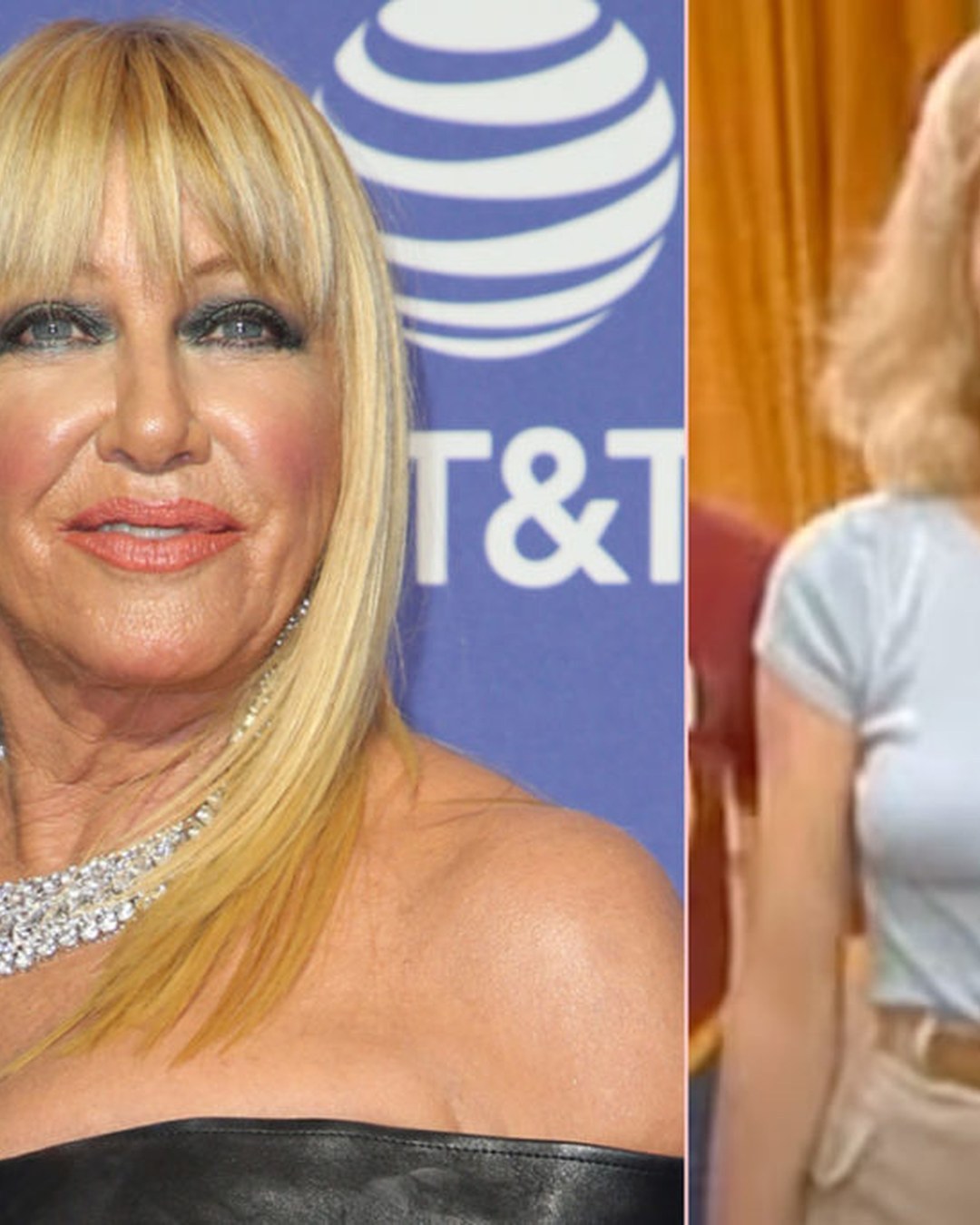
Suzanne Somers became a household name through her portrayal of Chrissy Snow on the sitcom Three's Company. The show centered on three roommates sharing an apartment in Santa Monica, navigating a series of comedic misunderstandings and social hurdles. Somers provided a specific type of comedic energy that helped define the series during its early years. By 1980, she was one of the most recognizable faces on television, appearing on magazine covers and in various national advertisements. Her character, a bubbly and often literal-minded secretary, was a central pillar of the show's massive success.
The chemistry between the three lead actors was magic, serving as the primary draw for a massive weekly audience that tuned in to see the latest apartment-based hijinks. The show consistently ranked at the top of the national television ratings, making its stars some of the most famous people in the country. However, the professional environment changed significantly as the show entered its fifth season. The transition from a collaborative ensemble to a fractured production was sudden and visible to those working on the set.

The demand for financial parity
In 1980, Suzanne Somers sought a salary increase that would bring her earnings in line with her male co-star. This move occurred at the absolute height of her fame and during a period when Three's Company was a dominant force in network television. The request for equal pay was a direct challenge to the established financial hierarchy of the production. Instead of a standard contract negotiation, the situation escalated into a significant professional conflict that played out behind the scenes. The production chose to take a hard line against the request, refusing to grant the parity she sought.
This moment marked a turning point in how the studio handled its lead actress and signaled a shift in their working relationship. The industry watched as a top-tier star faced immediate and harsh consequences for seeking financial parity with a male colleague. The response from the studio was a clear assertion of control over the talent and served to discourage similar demands from other performers. This conflict highlighted the disparity in how male and female leads were compensated and valued by the network.
Physical separation and non-renewal
The treatment of Suzanne Somers during the fifth season of the show was an unprecedented and shocking way for a television icon to be handled at the height of her fame. She was systematically isolated from the rest of the cast and the primary production environment. Her scenes were filmed separately from the main action of each episode. This meant she was no longer on the same soundstage as her co-stars during the recording of her segments. She was forced to film her parts in a separate room, away from the live audience and the other actors who made up the core cast.
The magic and chemistry that had defined the show for years were physically dismantled by this arrangement. The atmosphere behind the scenes turned cold as the production enforced this separation. This isolation was a visible and physical manifestation of the tension between the actress and the studio executives. It served as a disciplinary measure and a public demonstration of her reduced status within the production. The show continued to air her scenes, often featuring her character talking on a telephone to bridge the gap, but the physical distance between the performers was absolute. Ultimately, the studio chose not to renew her contract once the season concluded. This decision effectively ended her tenure as Chrissy Snow and removed one of the most popular characters from the television landscape.
The legacy of the conflict
This episode remains a definitive example of the professional price paid by women seeking pay equity in the television industry. The image of a major star filming her scenes in a separate room serves as a lasting symbol of the era's restrictive labor practices.