
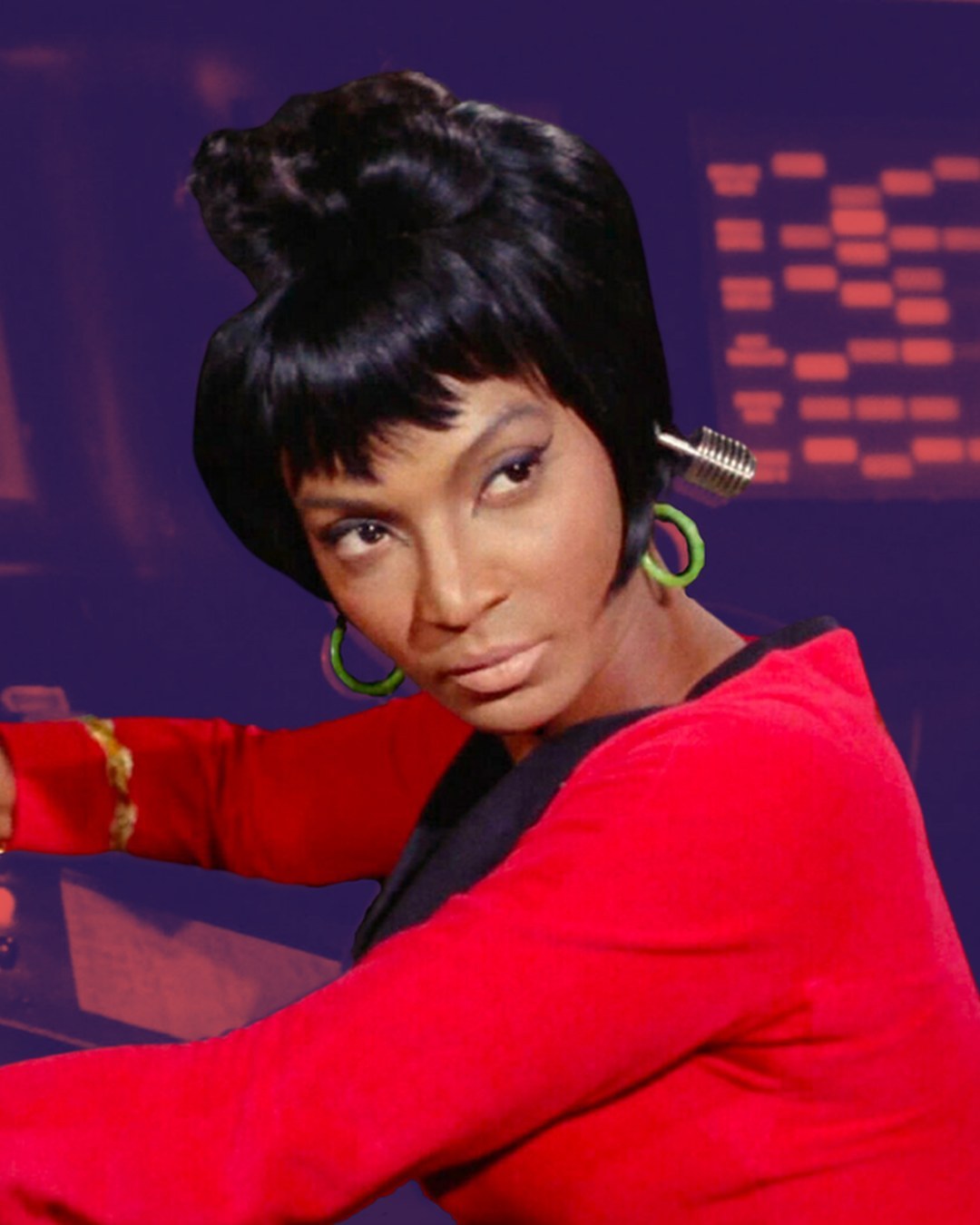
When Star Trek launched in 1966, Lieutenant Nyota Uhura quickly became a visual shorthand for a future where diversity was the norm. The role was played by Nichelle Nichols, whose calm presence on the bridge offered a counter‑point to the male‑dominated command crew. After the first season, Nichols decided to leave the series. She had long harboured a desire to work in musical theatre, and the demanding television schedule left little room for rehearsals or auditions. The decision was formalised by a handwritten resignation that she delivered directly to series creator Gene Roddenberry. The resignation was not a dramatic on‑screen moment; it was a quiet, private act that threatened to remove one of television’s earliest Black officers from the screen.
Roddenberry’s reaction was one of professional concern. He recognised that Uhura’s presence had already generated a significant cultural conversation. The prospect of losing her meant the show would revert to a more conventional, less inclusive vision of the future. Nichols’ departure would have also altered the chemistry among the core cast, which had begun to settle into a rhythm that audiences appreciated. The resignation thus placed the future of the series at a crossroads, with the potential loss of a groundbreaking character that had already begun to shape public perception of what a Starfleet officer could look like.
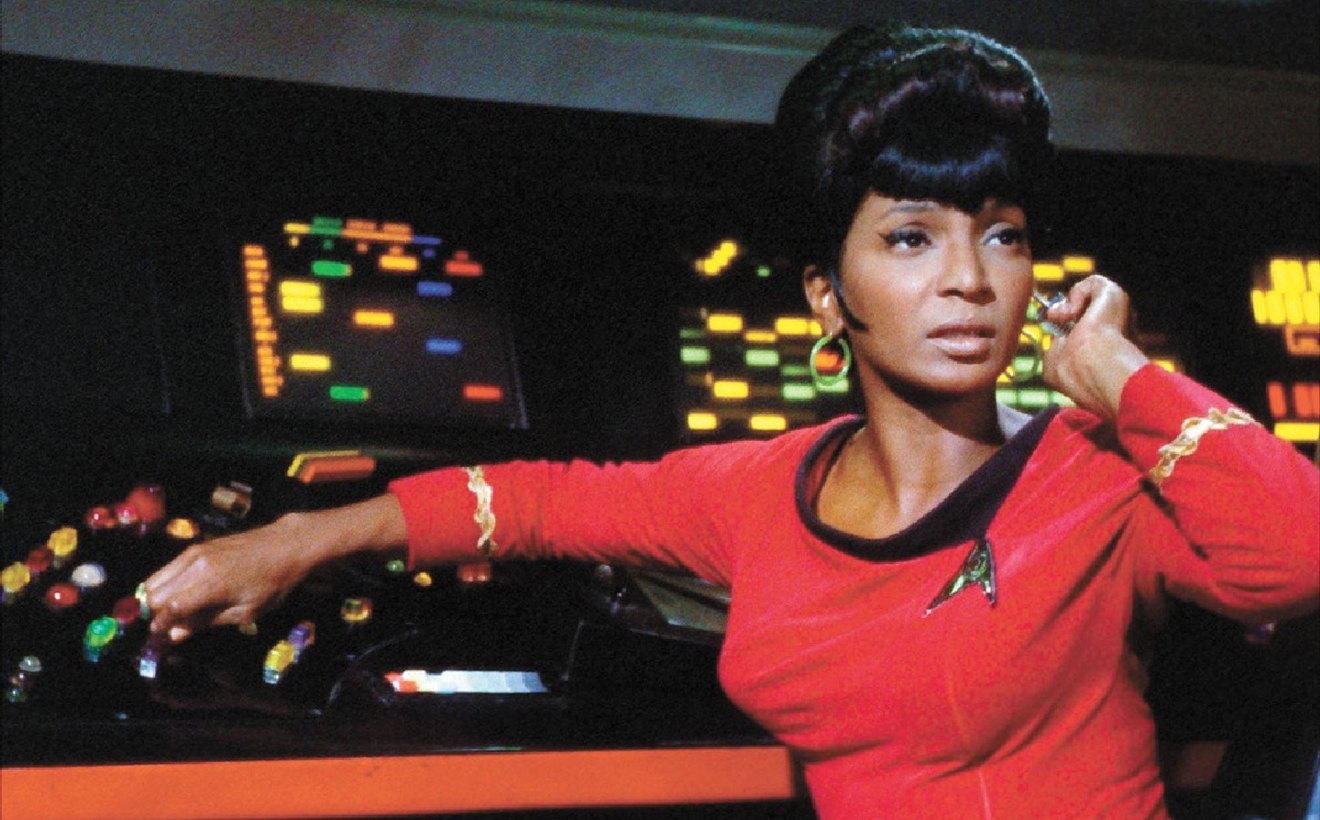
A civil‑rights appeal
In early 1967, an NAACP fundraiser brought together a number of prominent civil‑rights leaders, including Dr. Martin Luther King Jr. The event was designed to raise both money and awareness for the movement’s goals, and it also served as a networking platform for Black professionals across entertainment, politics and academia. Nichols attended the fundraiser as a guest of the organisation, representing the growing presence of Black talent in mainstream media.
During the evening, Dr. King approached Nichols and spoke about the broader significance of her work on Star Trek. He explained that the image of a Black woman serving as a communications officer on a starship was more than a casting decision; it was a visual affirmation that Black citizens could occupy positions of authority and expertise in a technologically advanced society. He argued that the character’s visibility on a prime‑time network could inspire young viewers and reinforce the civil‑rights movement’s message of equality and inclusion. The conversation convinced Nichols that her role held a weight beyond personal career aspirations, prompting her to withdraw the resignation and remain on the series.
What remains
The decision to stay ensured that Uhura continued to appear on the bridge for the series’ subsequent seasons, providing a lasting symbol of representation on a global platform. That moment leaves behind a legacy of empowerment that still resonates in contemporary discussions of diversity in science‑fiction storytelling.